
What’s physiotherapy got to do with mental health? Our IOPTMH Executive Board member in interview
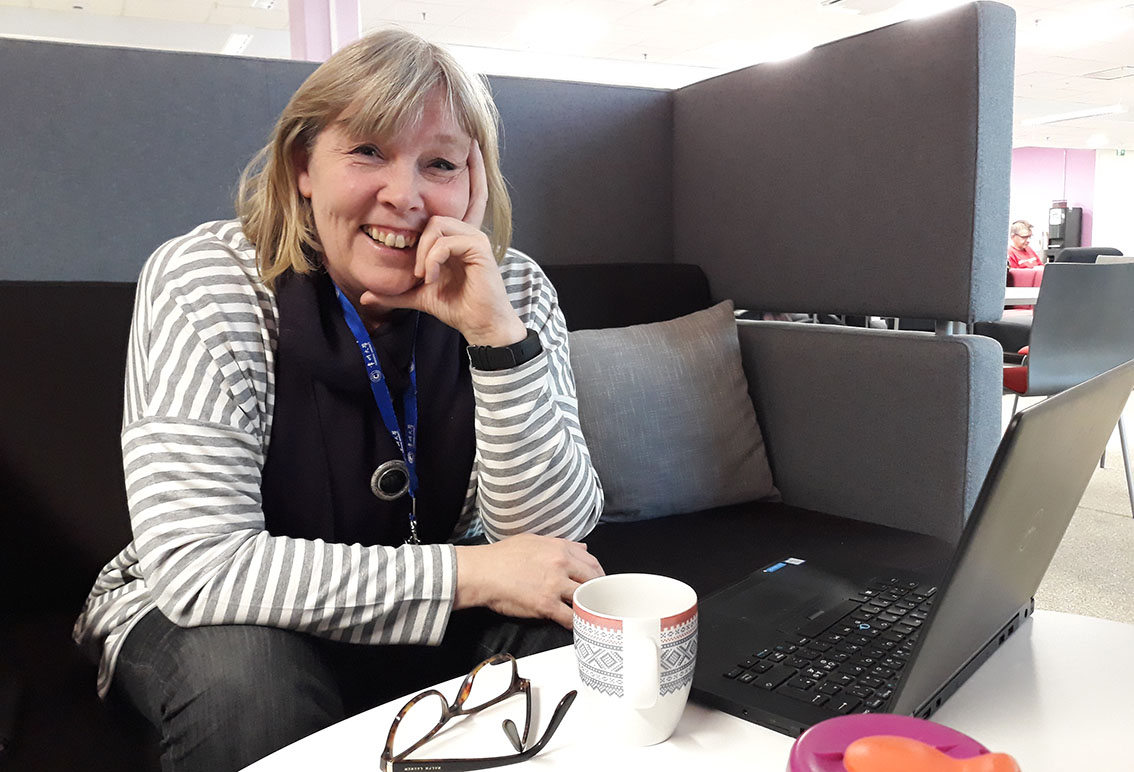
What’s physiotherapy got to do with mental health? A lot, according to Merja Sallinen, a Member of Executive Board of International Organization of Physical Therapists in Mental Health.
Physiotherapy refers strongly to body, corpus, motion, moving. How is the psyche connected to it?
Merja Sallinen – There´s no health without mental health. For example problems in the musculoskeletal system are often related to anxiety, fatigue or depression, states Principal Lecturer Merja Sallinen from Satakunta University of Applied Sciences. Movement takes care of the body and the mind.
– Talk about mental health easily turns to talk about mental illness. Sometimes students may say that they are not going to work with psychiatric patients. This is not what it´s only about. Physiotherapy students are often sporty and it may be difficult for them to understand that a patient is not aware of his/her body or control over the body is totally lost.
– Physical pain can make you feel as if you can´t keep your head together, breast cancer affects body awareness, as do hemiplegia, amputation and neurological diseases, Sallinen itemizes.
Depression is frequently related to pain and muscle tension or a feeling that your body weighs a ton. We can influence these matters and often the mood gets better when you are being heard and encountered.
Many illnesses of mind may be easier to approach by physiotherapy and motion.
On the other hand, many illnesses of mind may be easier to approach by physiotherapy and motion. Sallinen gives us an everyday example, depression of a working age person.
The threshold to physiotherapy is still lower than to mental health services, and there´s strong research evidence of certain physiotherapy methods in the treatment of depression, Sallinen tells us. However, we are not psychotherapists but use our own physiotherapy methods with these patients. Depression is frequently related to pain and muscle tension or a feeling that your body weighs a ton. We can influence these matters and often the mood gets better when you are being heard and encountered.
Means of psychophysical physiotherapy vary by area and country
The means of psychophysical physiotherapy vary depending on the area and country. In Central Europe physical activities are emphasized whereas in Scandinavia body awareness, breathing and relaxation are essential. At SAMK mental health is an important part of physiotherapy education. For example SomeBody method has brought along also a proactive perspective: body awareness can and should be practiced even though there weren´t any actual problems.
Sallinen herself has specialized especially in musceloskeletal system, orthopaedic and geriatric physiotherapy.
– Back in the day when I came to work at SAMK I “had to” teach matters connected to mental health and immediately felt that this was my thing – without noticing it I had realized the psychophysical perspective in my work already earlier: the mind and the body go side by side in therapy.
Strongly involved in international operations
Merja Sallinen has belonged to the Executive Committee of the International Organization of Physical Therapy in Mental Health (IOPTMH) since 2016. In May 2019 she will be the other IOPTMH representative at World Confederation for Physical Therapy (WCPT) Congress 2019 in Geneva, Switzerland, which will open up a comprehensive, up-to-date vision on what´s happening in physiotherapy scene at the moment. WCPT has 110 member states representing circa 450,000 physiotherapists all over the world. Besides representatives of member states, all the 11 official subgroups, like IOPTMH, are given a seat in the general assembly.
The next congress in mental health physiotherapy will be organized in Helsinki in May 2020 with the theme Linking the Body and Mind – the key to effective physiotherapy, and the preparations are already under way. The host will be Suomen Psykofyysisen fysioterapian yhdistys (The Psychophysical Physiotherapy Association in Finland, webpage in Finnish) and even though it is a considerable subgroup with 500 members compared to many other countries, organizing an international congress is a huge effort.
What is mental health physiotherapy? A document, so called White Paper is being created on the topic. The notions differ even in Europe where mental health has a strong foothold. Mental health has no role at all in physiotherapy education in some countries, and that´s why an information package is needed to bring forward both the clinical and research perspectives on the topic.
Read more
Read more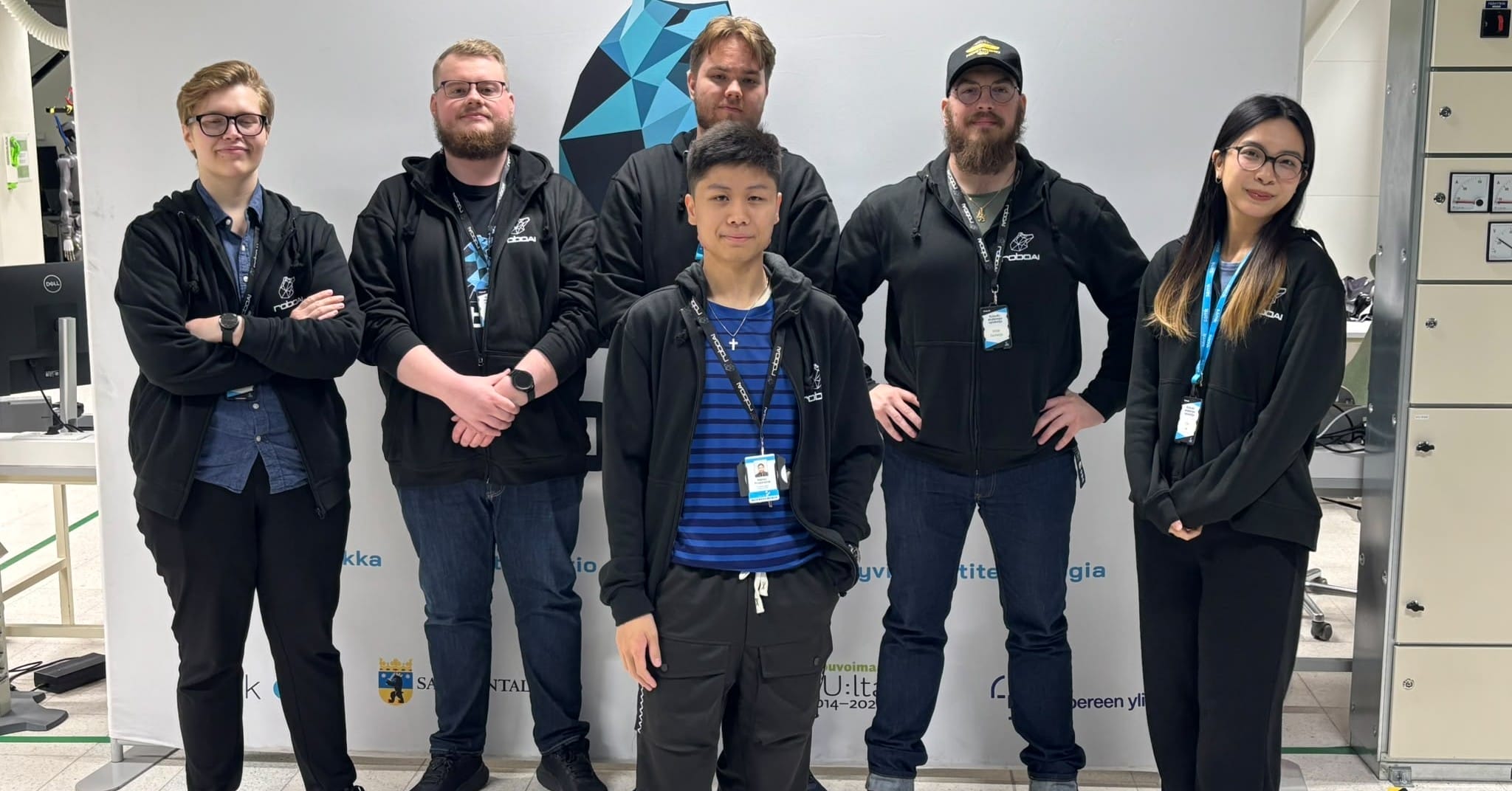
How international trainees represent the heart of SAMK
Meet the SAMK Pori Campus trainees, each of them represents a value that SAMK promotes.
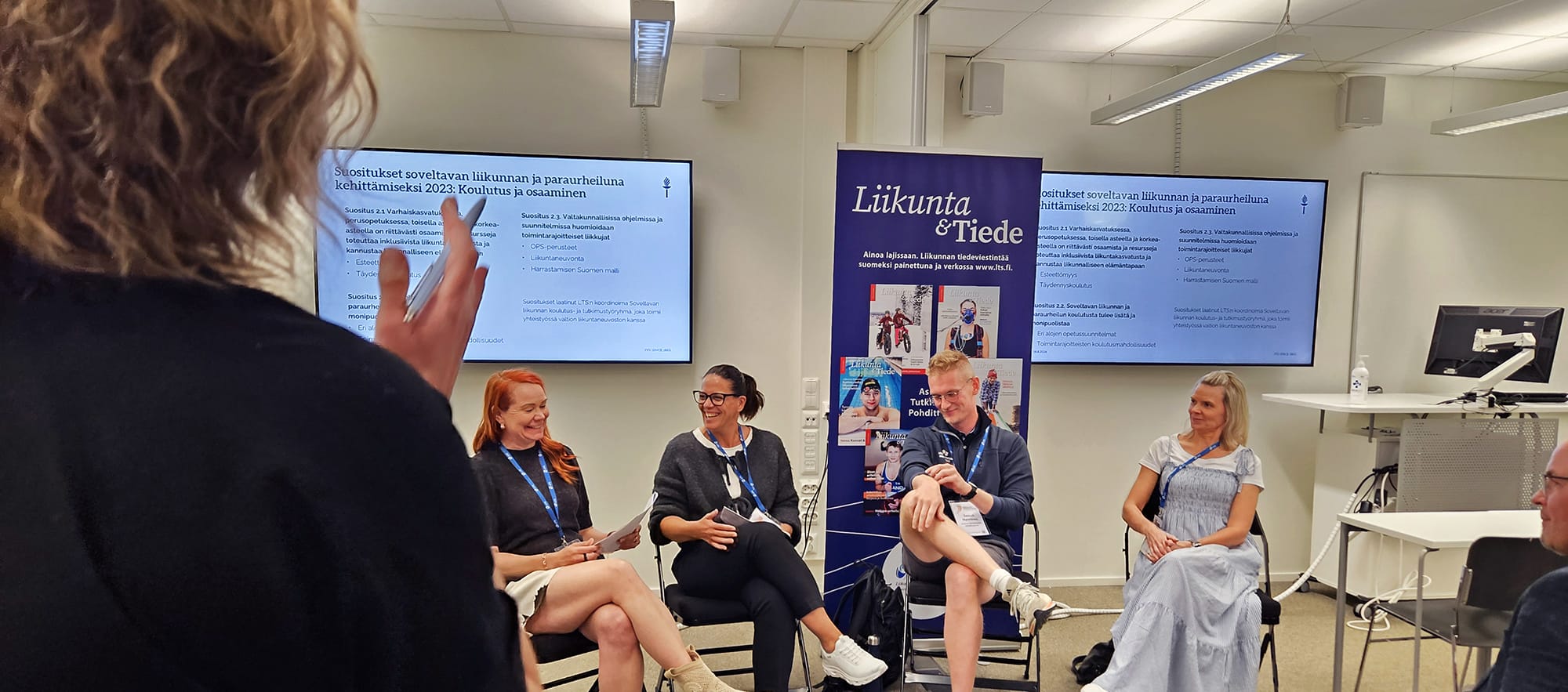
The seminar on adapted physical activity brought together experts and practitioners from the field at SAMK
Soveltavan liikunnan päivät (hereafter, Adapted Physical Activity Seminar), co-ordinated by the Finnish Society of Sports Sciences, was held this year at the SAMK Campus Pori. The two-day event brought together around 250 participants from across Finland.
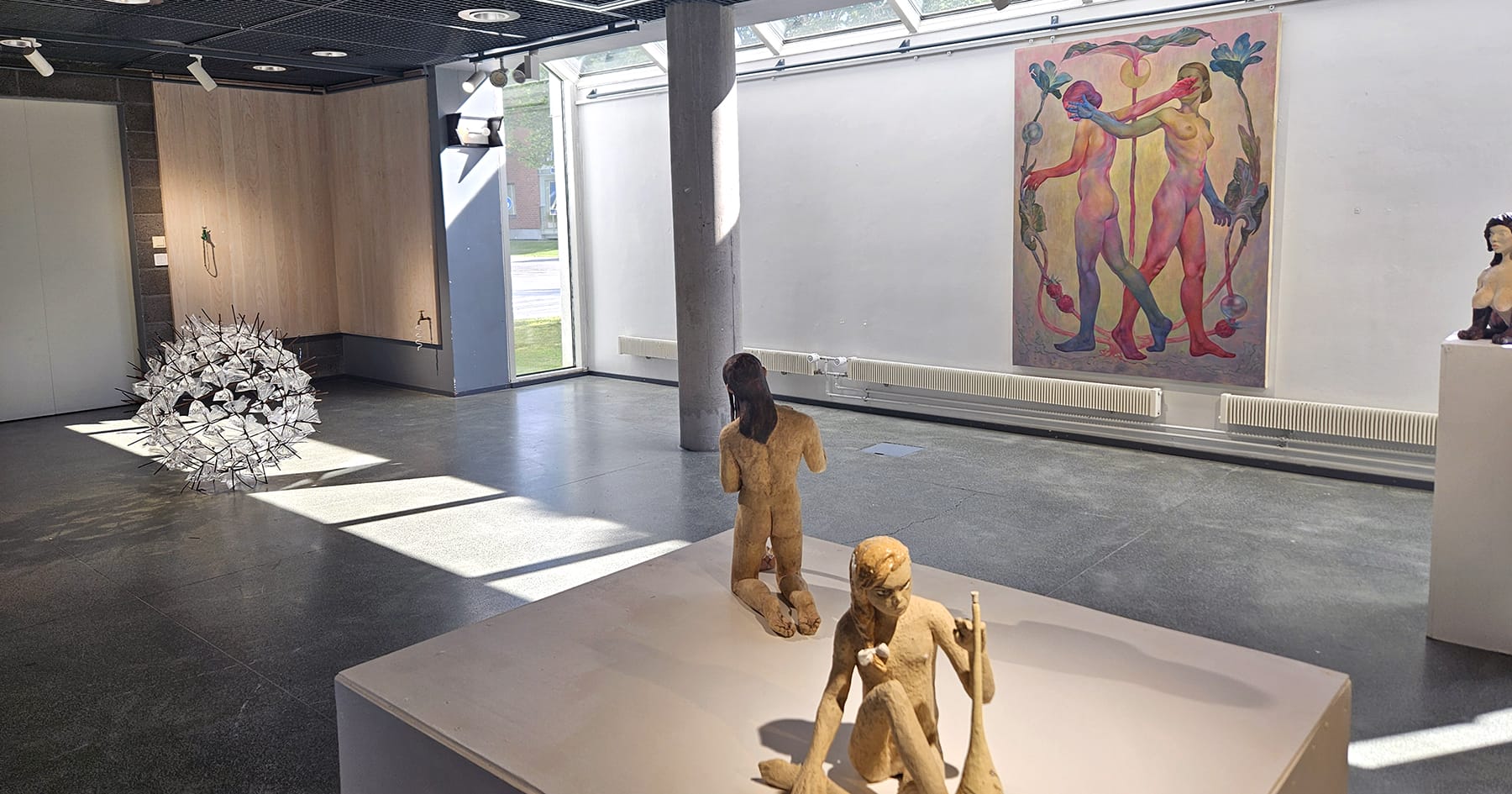
The first alumni exhibition showcases visual artists’ career paths
The first alumni exhibition, URA I, at the SAMK Fine Arts Campus in Kankaanpää, brings together visual artists who have graduated from Kankaanpää.