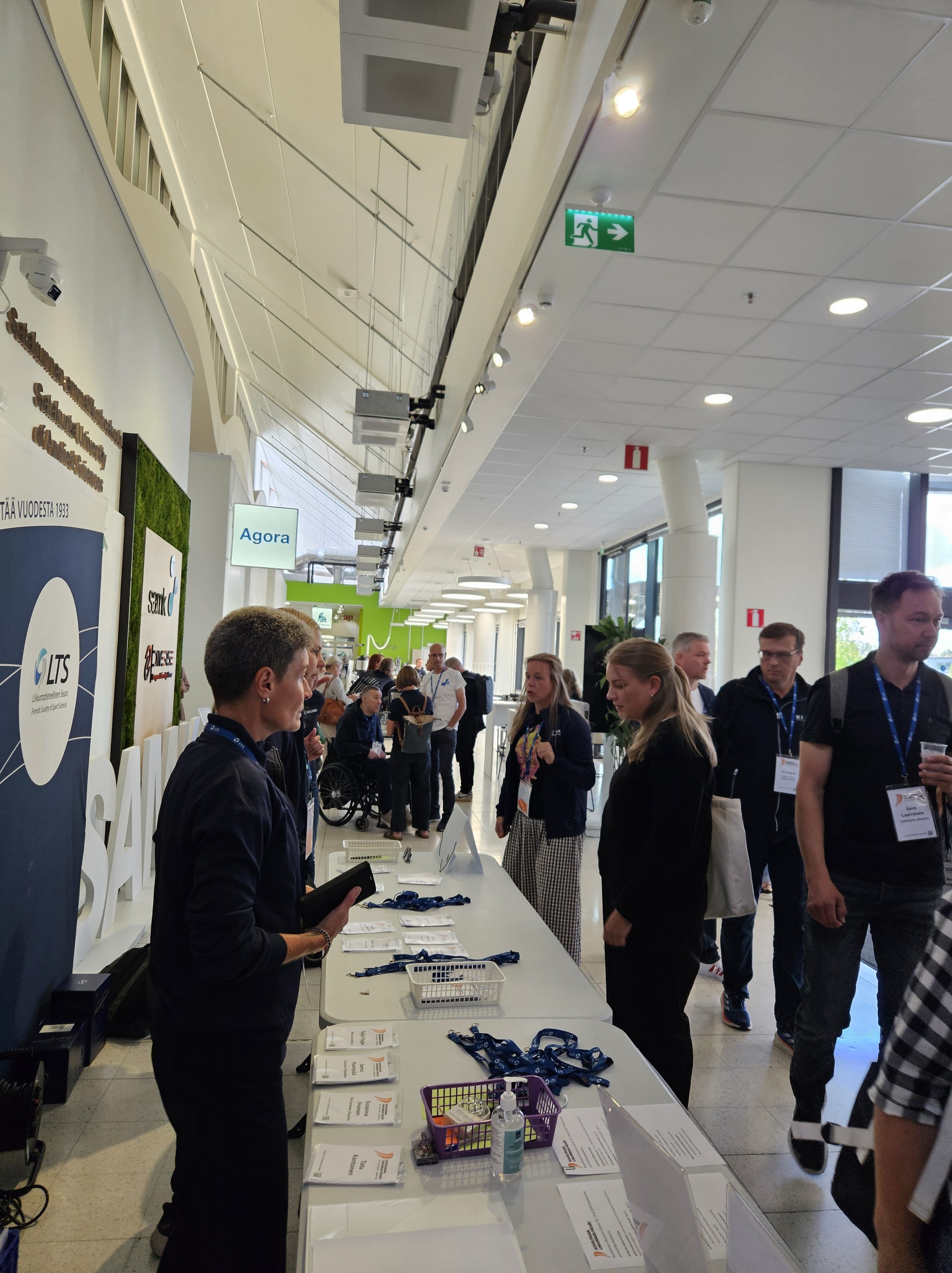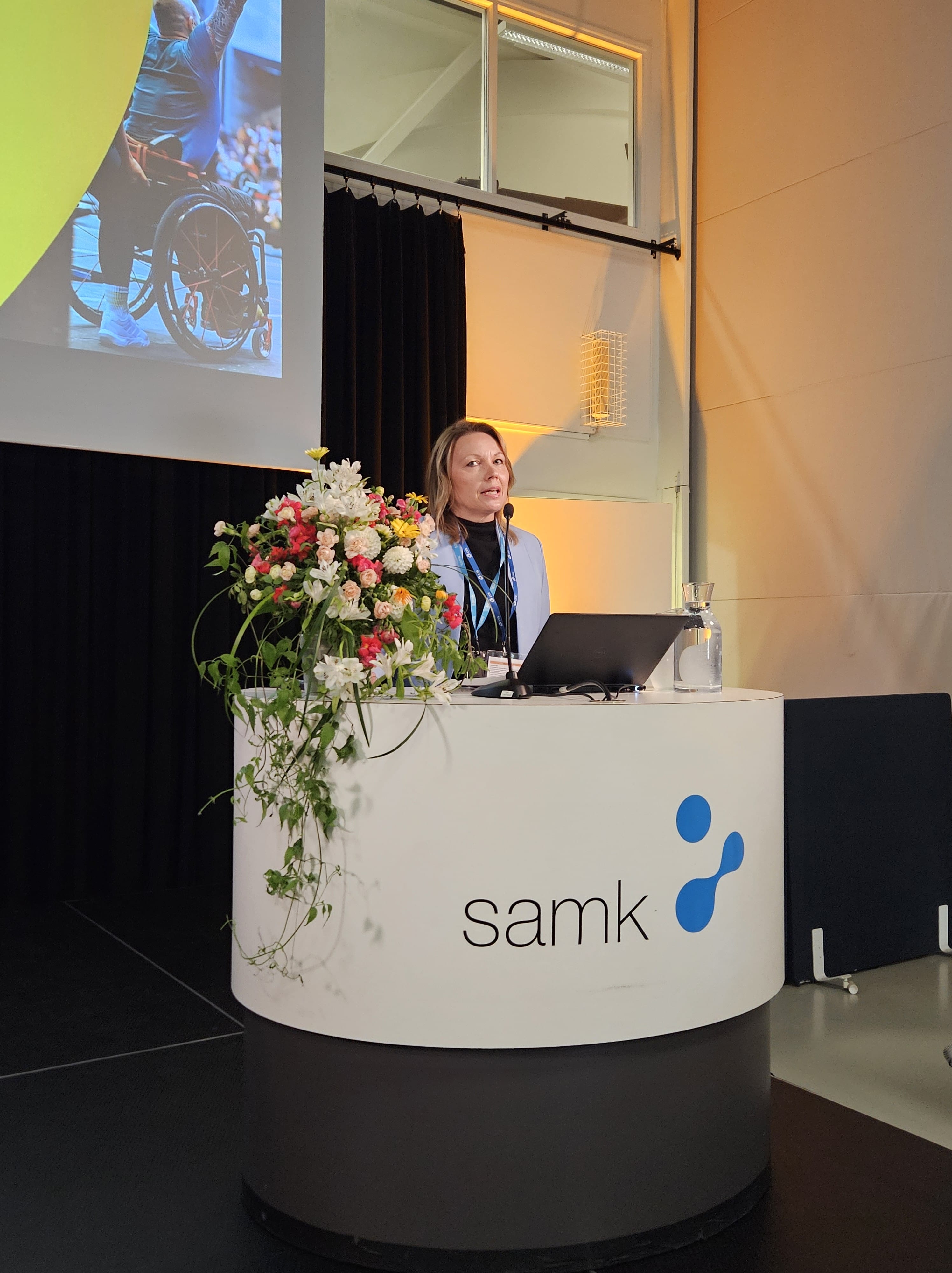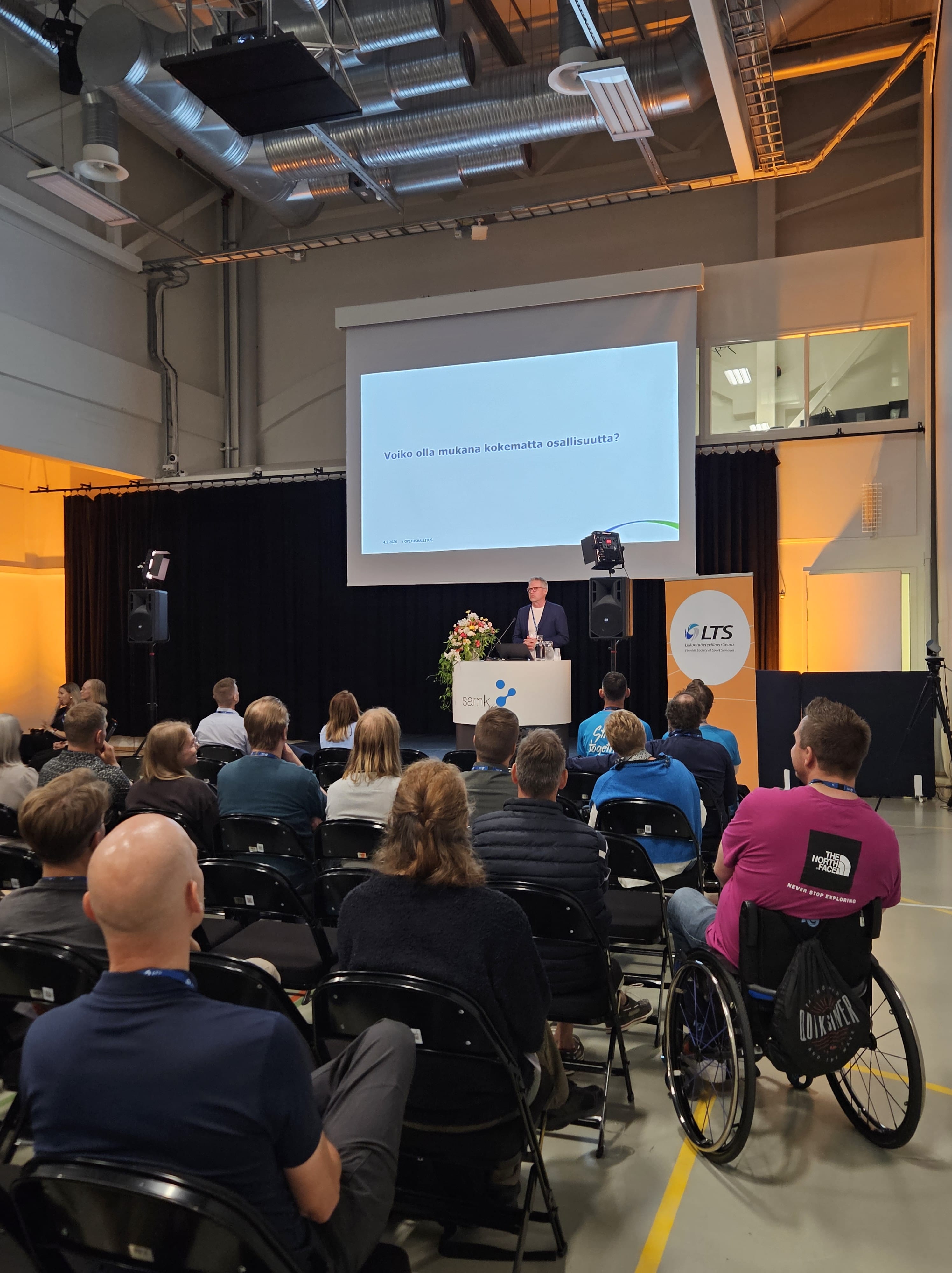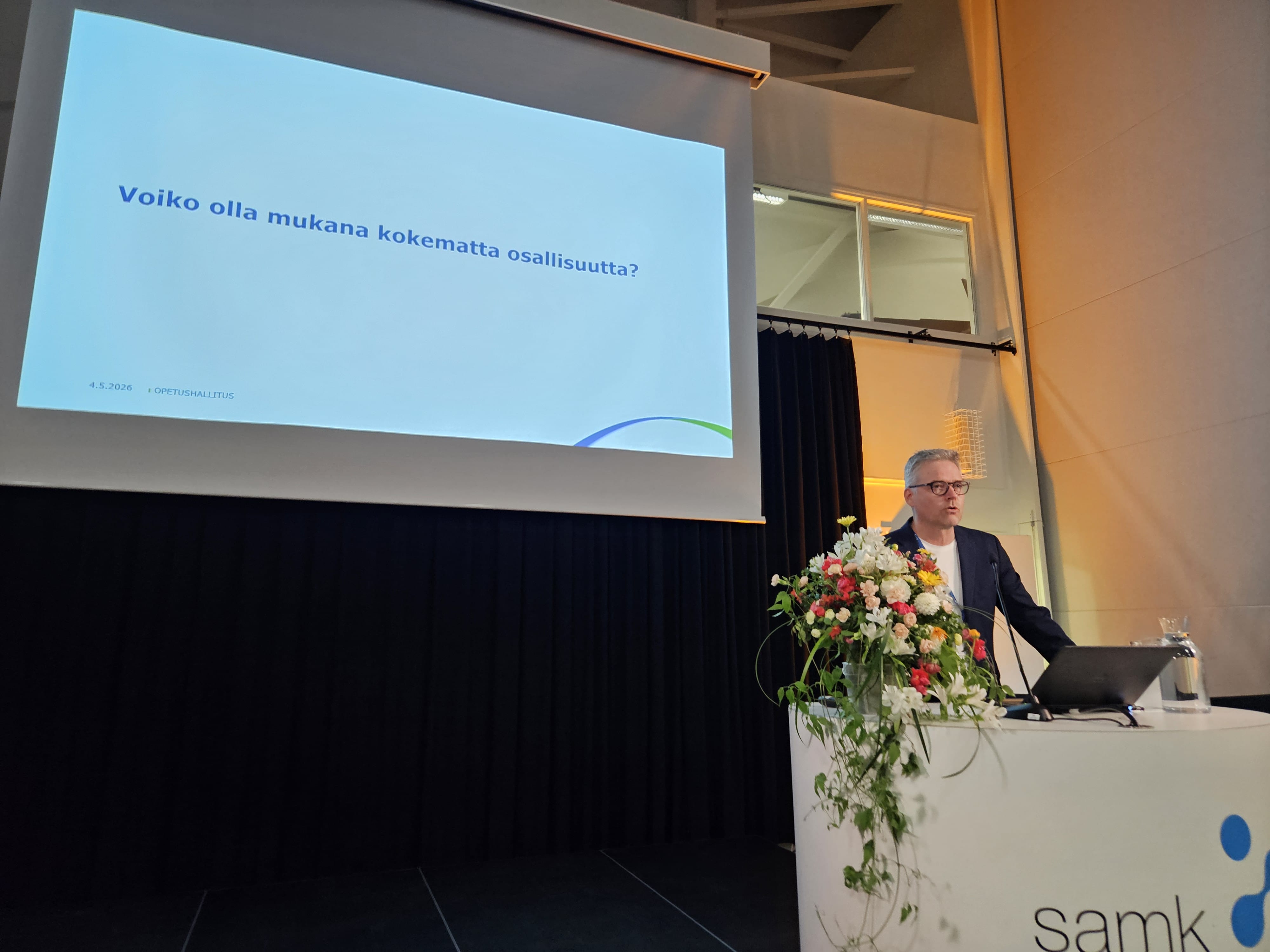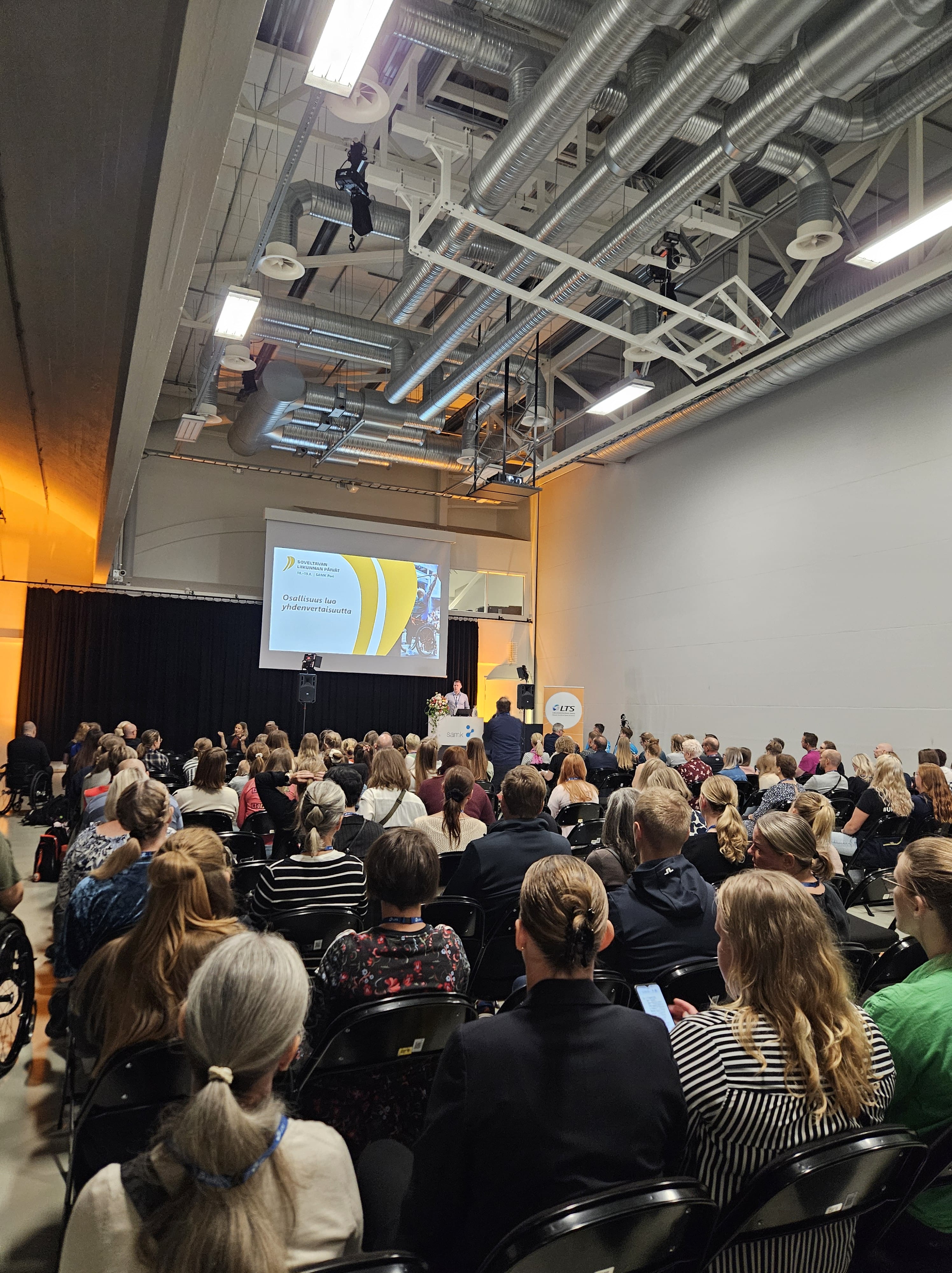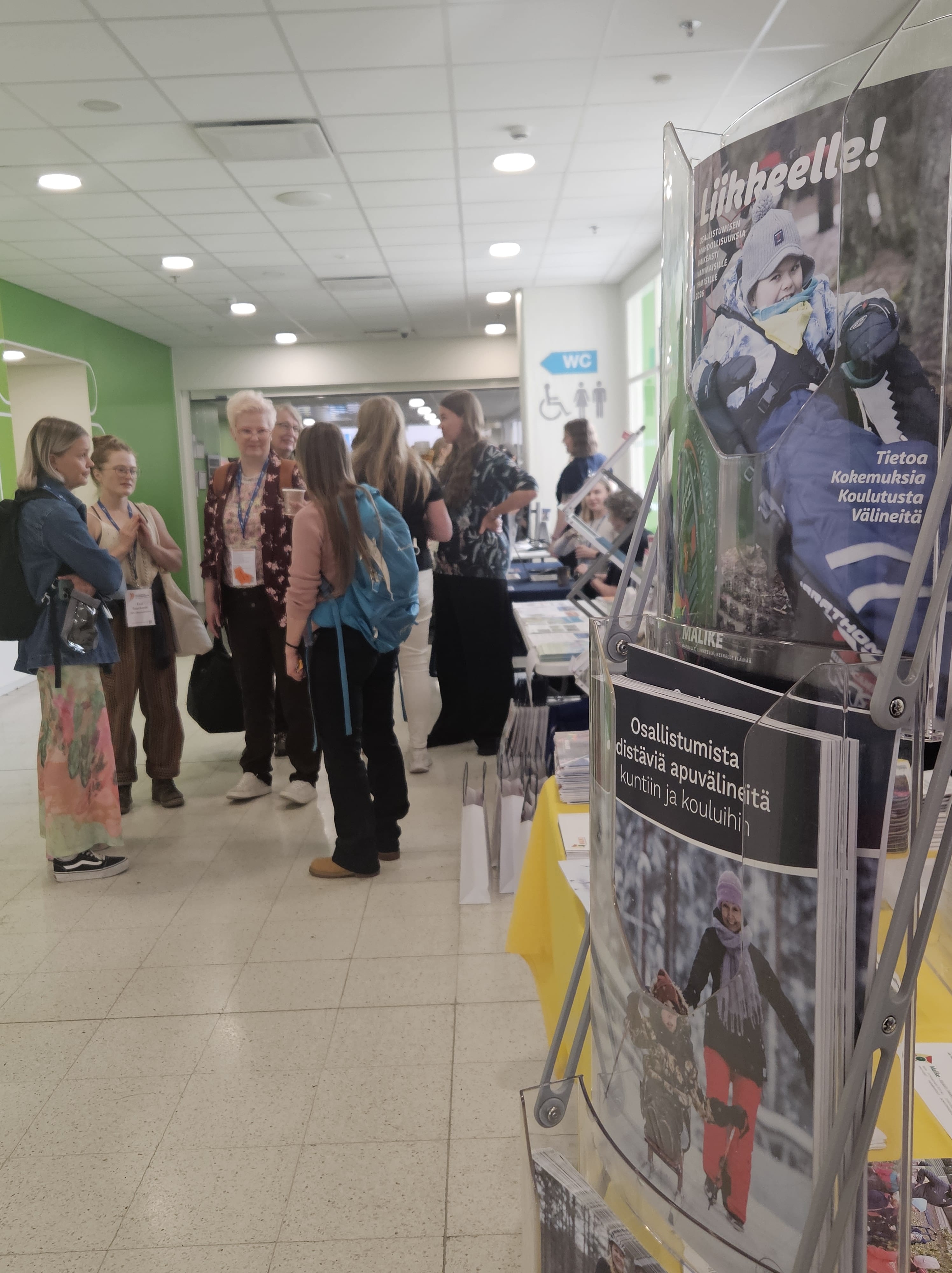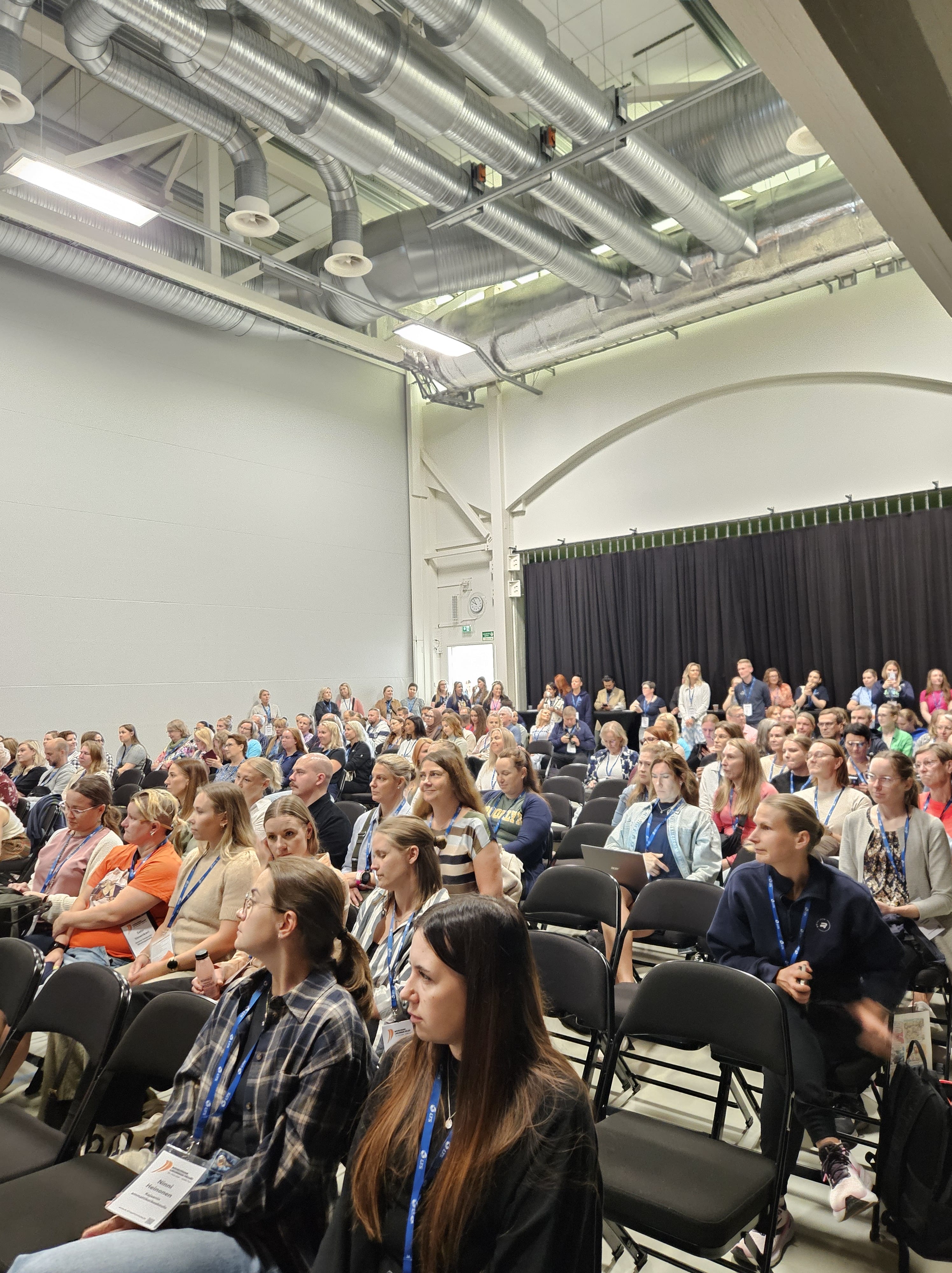
The Adapted Physical Activity Seminar is Finland’s largest event focusing entirely on research and practice in adapted physical activity and para sport. The event brings together researchers, experts, decision-makers, professionals applying research-based knowledge across various sectors, and students.
Hosting this nationally significant event at SAMK demonstrated that education, research, and development in adapted physical activity play a strong role at the higher education institution. SAMK’s long-term work and close regional collaboration also contributed to the decision to hold the Adapted Physical Activity Seminar at SAMK this year.
– Adapted physical activity has been part of the education of social and health care professionals at SAMK for more than four decades, and it is one of our key areas of expertise. Our work is characterised by close regional collaboration, and expertise and activities in adapted physical activity are also at a high level in the city of Pori, explains Principal Lecturer Kati Karinharju.
The programme for the event featured the latest Finnish research in adapted physical activity and para sport. The programme also addressed inclusion and equality in the field of physical activity.
From research to practice
One aim of the event is to strengthen dialogue between research, decision-making, and practical work. At the same time, the seminar serves as a venue for professional development and networking for professionals working in adapted physical activity and para sport.
Para sport plays a central role in the event. This year, the topic was examined not only from research and development perspectives but also from coaching and athletes’ own agency.
The central theme of this year’s Adapted Physical Activity Seminar was inclusion and the practical realisation of equal opportunities for physical activity in practice. The theme was examined from a range of perspectives, including legislation, research, education, accessibility, communication and para sport.
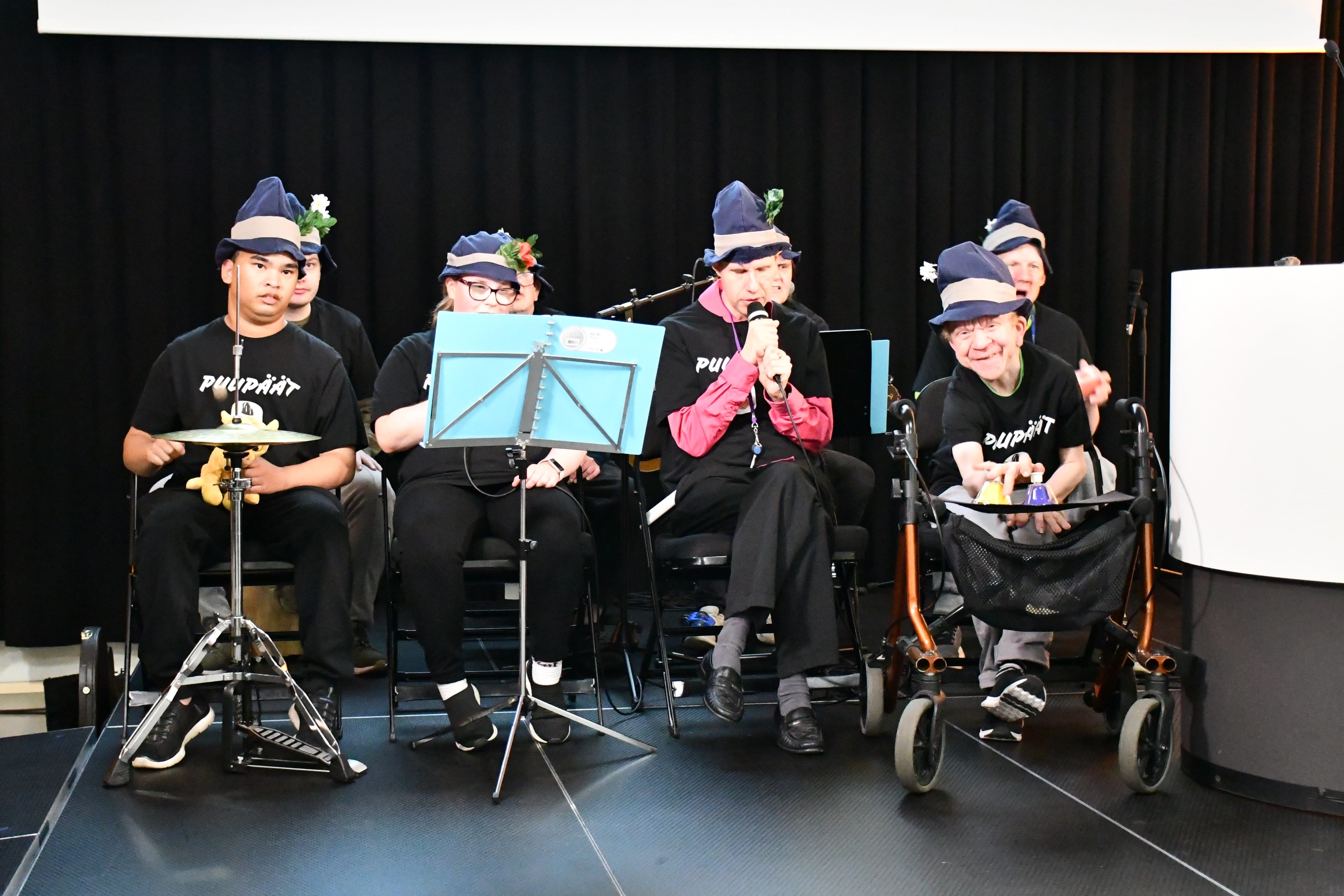
– Two experiences that stood out particularly strongly in the participant feedback were the talk “Osallisuus syntyy olosuhteista” (Inclusion arises from circumstances) by Finlandia Prize-winning non-fiction writer Riikka Leinonen, and the performance by the Puupäät band from the Ojantien toimintakeskus (Ojantie activity centre). Both made the themes of inclusion and equality concrete and genuinely tangible, Karinharju says.
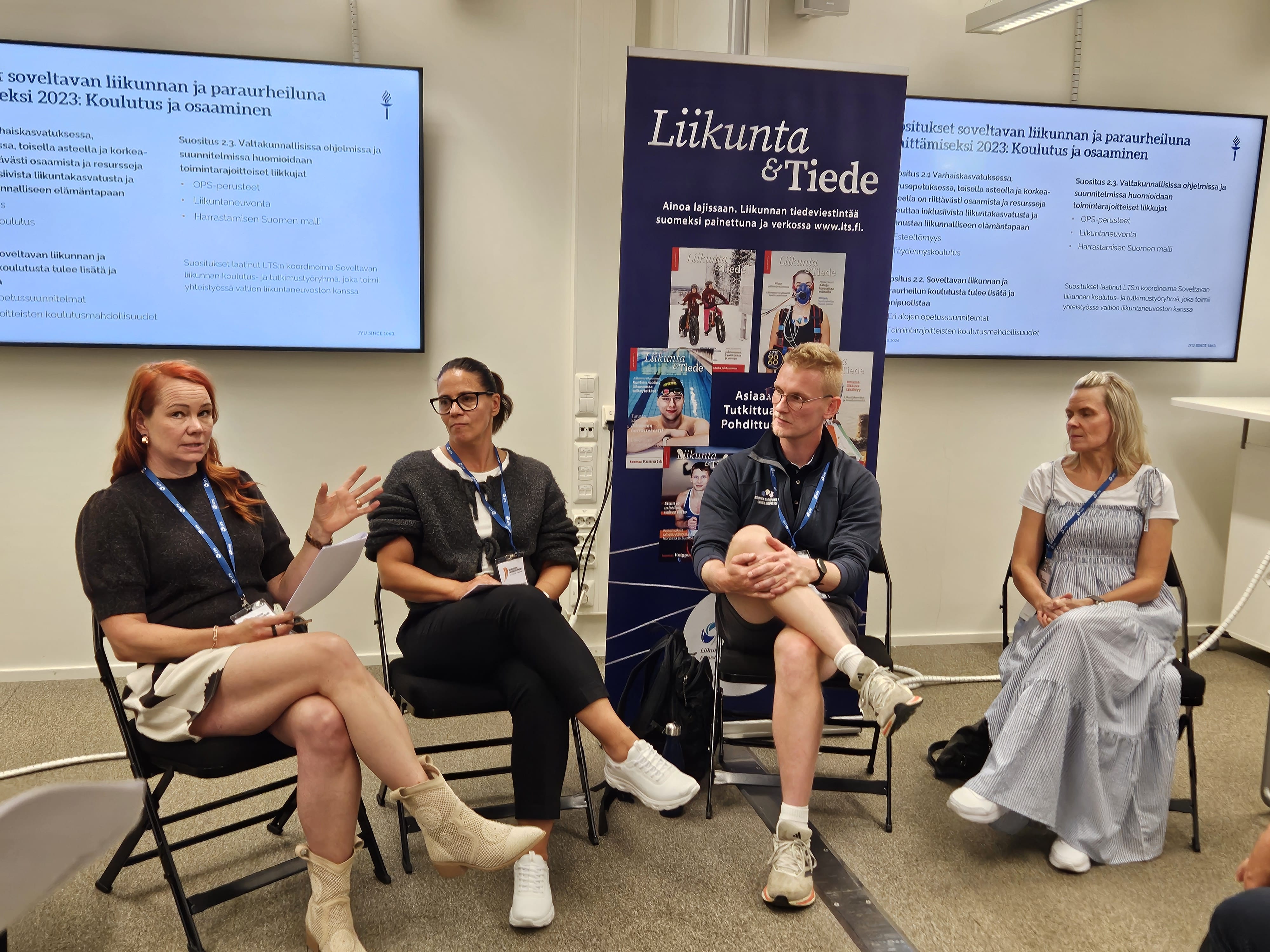
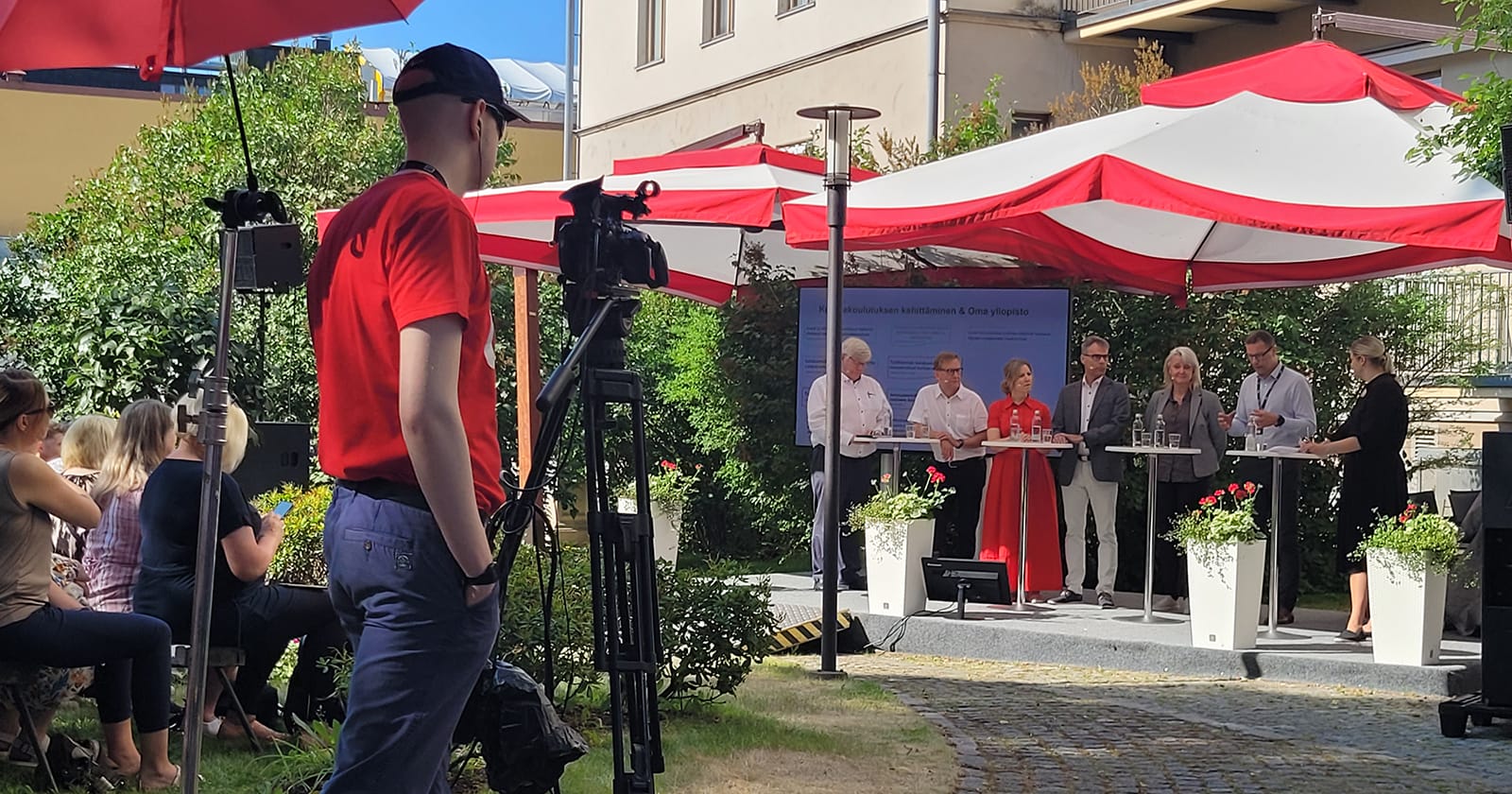
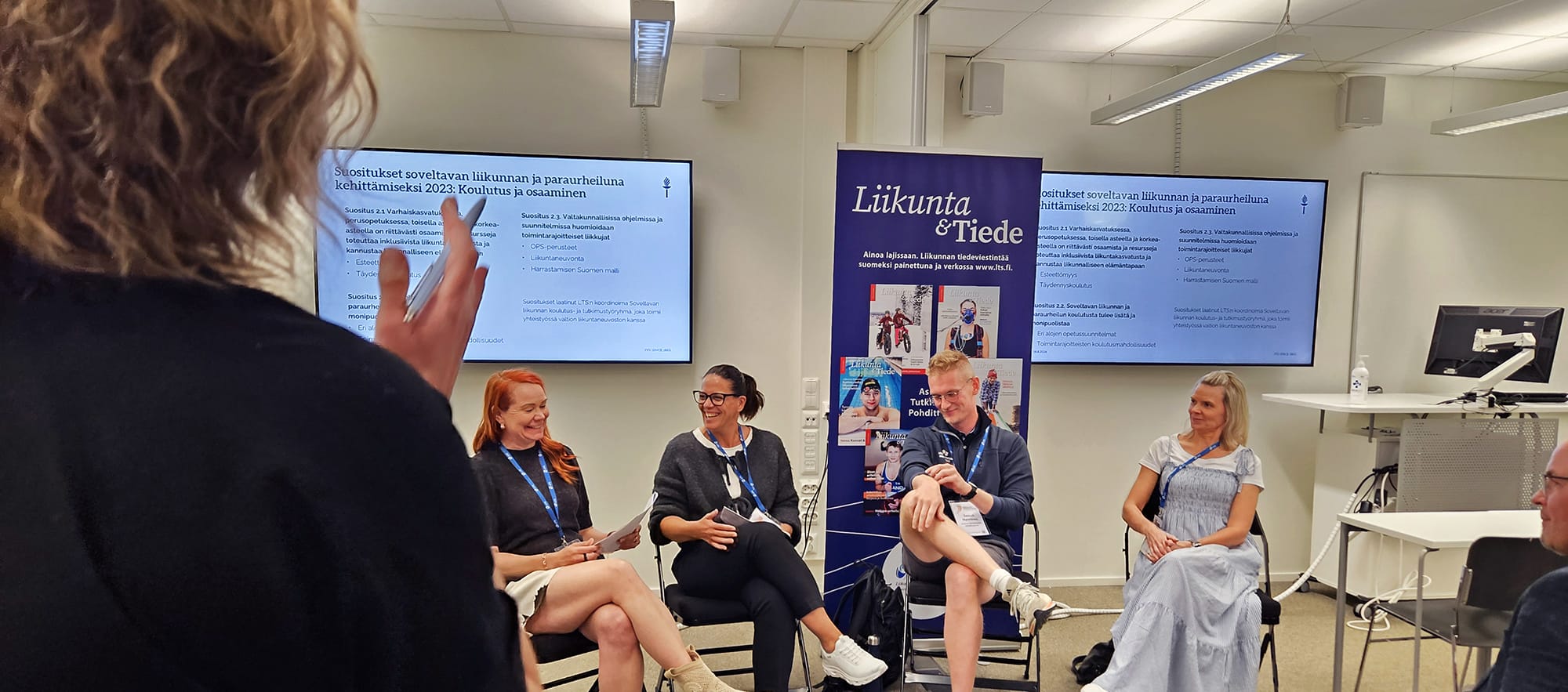
For Karinharju herself, one particularly meaningful part of the event was the panel discussion on the state of adapted physical activity in Pori. As a panellist, she took part in a discussion exploring, from various perspectives, the development of education and expertise among adapted physical activity professionals in the 2020s, as well as the most important future competence needs and development measures.
– Even the process of preparing for the panel, together with the City of Pori, the Satakunta Wellbeing Services County and experts by experience, strengthened our shared understanding of the region’s strengths and areas for development. The discussion brought different perspectives together around the same table and further strengthened our collaboration.
Students contributed to the success of the event
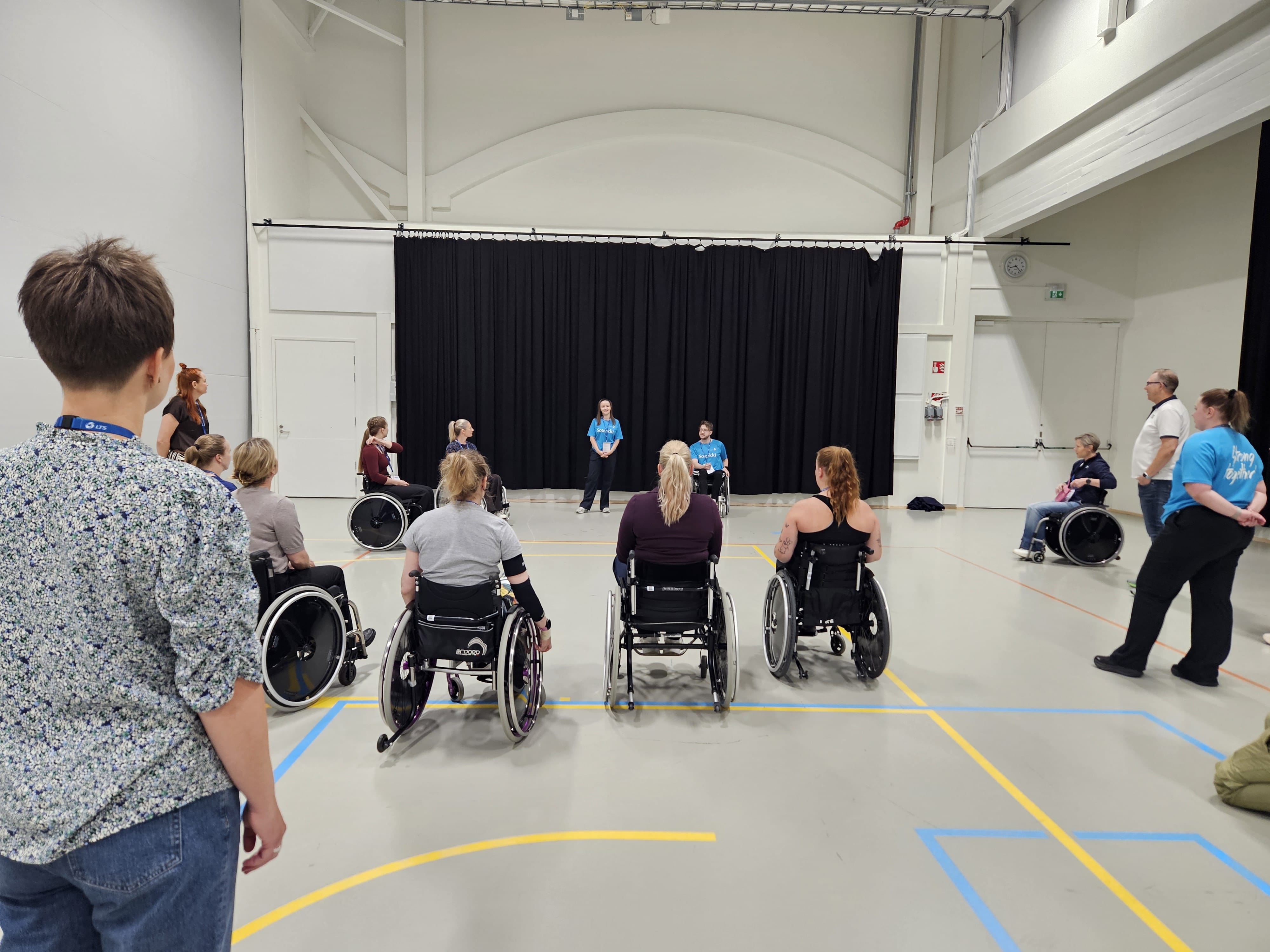
SAMK was also represented in the programme in many other ways. Tiina Savola, Dean of the faculty, opened the event. SAMK physiotherapy students participated as event assistants, while also gaining the opportunity to deepen their expertise in adapted physical activity. The students also presented their thesis on wheelchair handling skills, as well as SAMK’s WELLDONE project, during the morning physical activity session on the second day of the event.
Participant feedback highlighted the event’s diverse and practical programme, the warm atmosphere, and the new encounters and opportunities for collaboration. SAMK’s accessible facilities, smooth arrangements, and the expertise demonstrated throughout the event also received praise.
– I am particularly proud of our students. Their energetic, knowledgeable and professional approach was noticed by both participants and organisers. It was wonderful to hear that many left Pori feeling motivated and with new perspectives and practical tools for promoting inclusion and equality in their own work, says Karinharju.