
Comprehensive work on accessibility at SAMK
SAMK has been engaged in accessibility work for many years. The first projects on this topic were launched already in 2008.
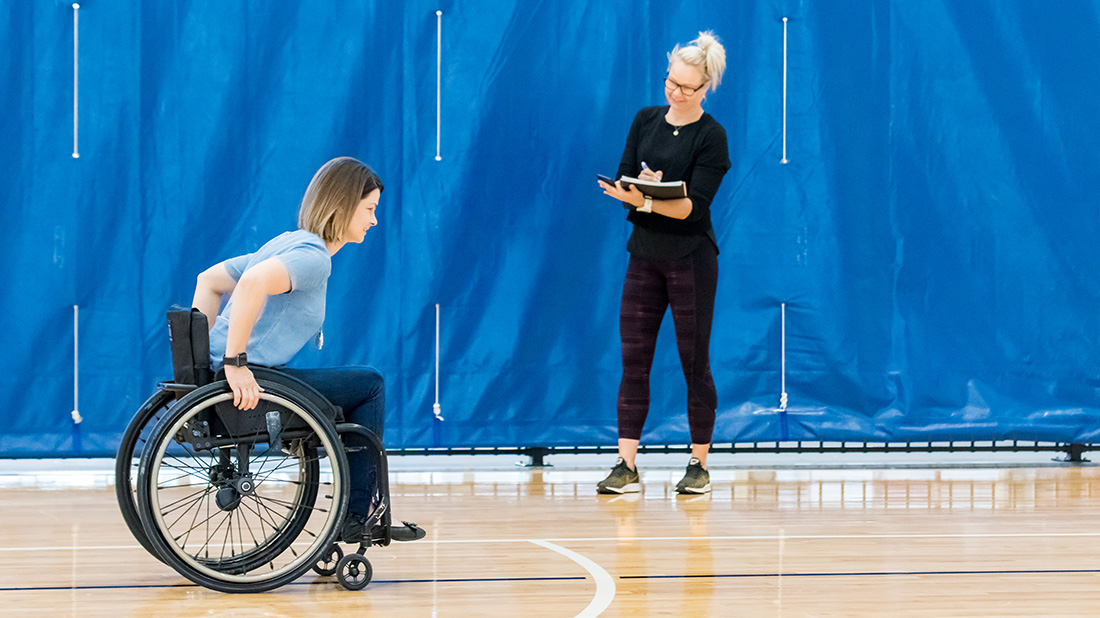
Kati Karinharju’s doctoral dissertation examined measuring and promoting physical activity among wheelchair users. In the picture, Stacey Jackson in a wheelchair.
Various projects on accessibility have been carried out at SAMK – a continuum forming behind all the work.
– We started with the projects Yyteri for All (Kaikkien Yyteri) and Home for All (Kaikkien koti). We created an approach based on the Design for All principle to promote accessibility of environments, activities, events and products together with end-users and service providers. We then replicated and extended the approach to other locations and it is still in use today, says Kati Karinharju, Senior Lecturer and the leader of the Accessibility Development Team.
The internationally award-winning Yyteri for All project developed nature, sports and recreation services in the area of Yyteri in Pori. Home for All is currently on SAMK Campus Pori. It is now called Kokeilimo and simulates an accessible home. You can visit the Kokeilimo virtually or on-site.
– Kokeilimo allows anyone, from professionals to end-users, to experience accessible housing solutions. Products on the market, such as a medicine dispenser and reminder and a stove guard and alarm, to name but a few, are there on display. These contribute to safety as well as support memory and independent living at home, explains Karinharju.
Developing a new culture
The starting point for accessibility is that we are all different.
– You could say that an environment that is completely empty is accessible. When we set out to build the society, be it a service, a system or whatever, we need to take into account the diversity and difference of users right from the design stage, Karinharju says.
SAMK has played a major role in promoting accessibility in sports facilities in Finland, among other things.
– In the past, sports facilities were built according to building regulations. The regulations would specify, for example, the height of a threshold or the slope of a ramp. However, compliance with the regulations is no guarantee that the facility will be usable. We have been involved in developing a culture where sports facilities are built to be as functional and accessible as possible right from the design stage, says Karinharju.
She says it is preposterous to think that accessibility issues are designed for a specific target group, such as wheelchair users or the visually impaired. All groups of people are represented in accessibility work.
– If we consider the accessibility planning of the Katinkuru sports trail in Pori, for example, we take into account people with different abilities, such as older people, users of assistive devices, and people with different fitness levels. The design has taken into account things like rest areas, signage, lighting and trail base material.
Small deeds, big values
Accessibility is a matter close to Kati Karinharju’s heart. Her doctoral dissertation Promoting physical activity for Community-Dwelling Manual Wheelchair Users with Spinal Cord Injury has just been reviewed and approved by the University of Queensland, Australia. The dissertation relates to measuring and promoting physical activity for wheelchair users. The dissertation used new and innovative methods from the perspective of wheelchair users, making it a pioneer in its field.
Currently, the development work at SAMK is strongly focused on regional accessibility work and on improving the accessibility of the university’s own culture.
Karinharju says that there is no accessibility that looks like SAMK, but everything is common and the same.
– Accessibility in the digital world is currently topical in this field. It is also a very challenging topic, she says.
The accessibility work at SAMK has been guided by the idea: “Small deeds, big values”.
– The world is never completely ready, but by tackling individual development needs and providing even small solutions for them, we often create a snowball effect. One good small deed often leads to another, says Karinharju.
Read more
Read more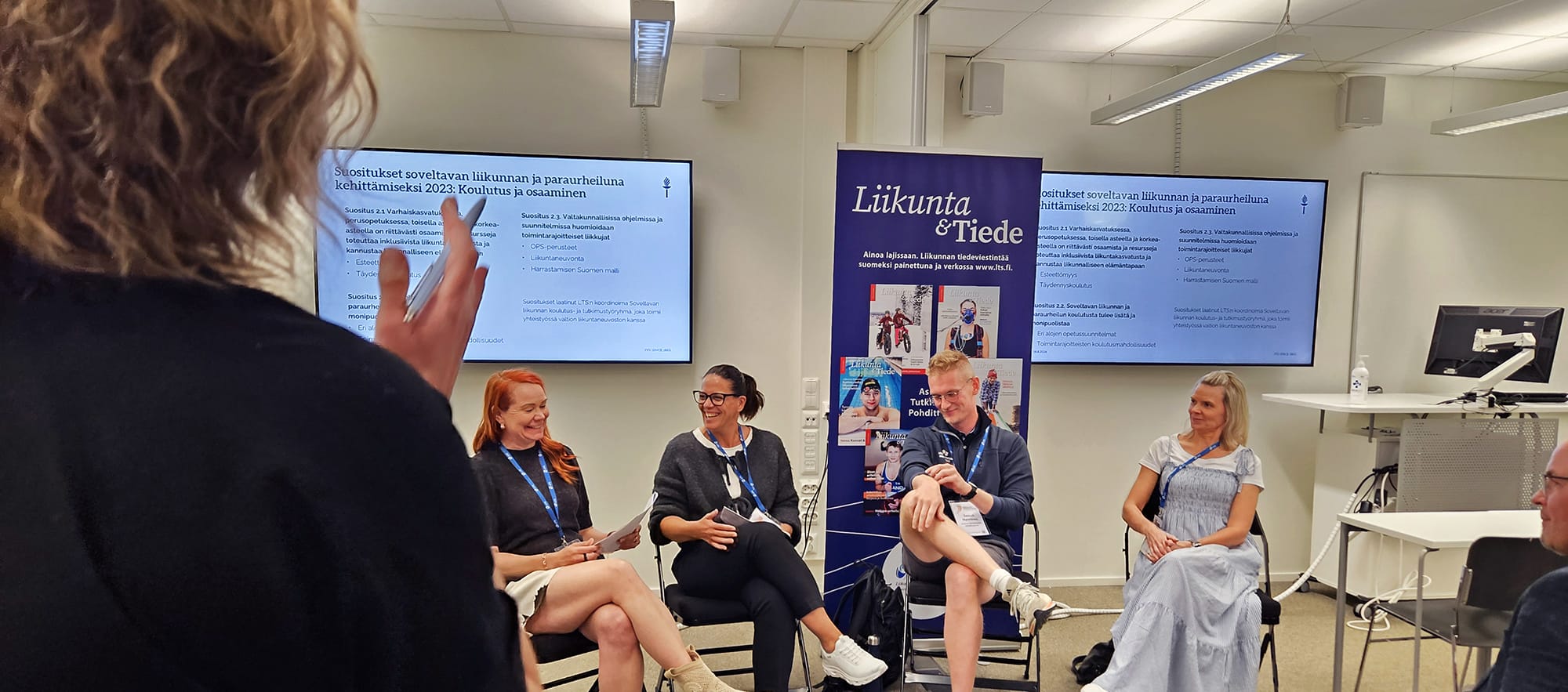
The seminar on adapted physical activity brought together experts and practitioners from the field at SAMK
Soveltavan liikunnan päivät (hereafter, Adapted Physical Activity Seminar), co-ordinated by the Finnish Society of Sports Sciences, was held this year at the SAMK Campus Pori. The two-day event brought together around 250 participants from across Finland.
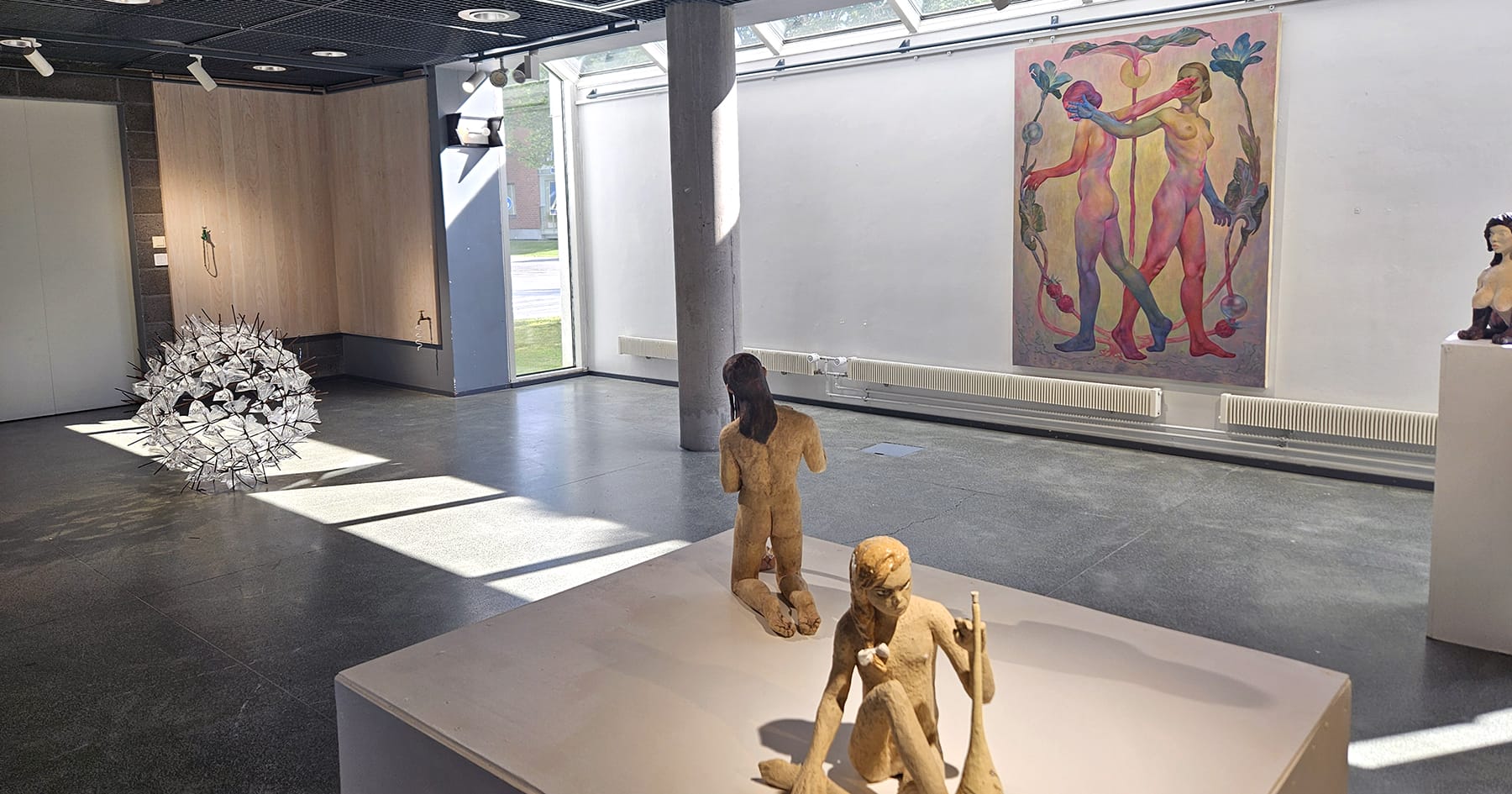
The first alumni exhibition showcases visual artists’ career paths
The first alumni exhibition, URA I, at the SAMK Fine Arts Campus in Kankaanpää, brings together visual artists who have graduated from Kankaanpää.
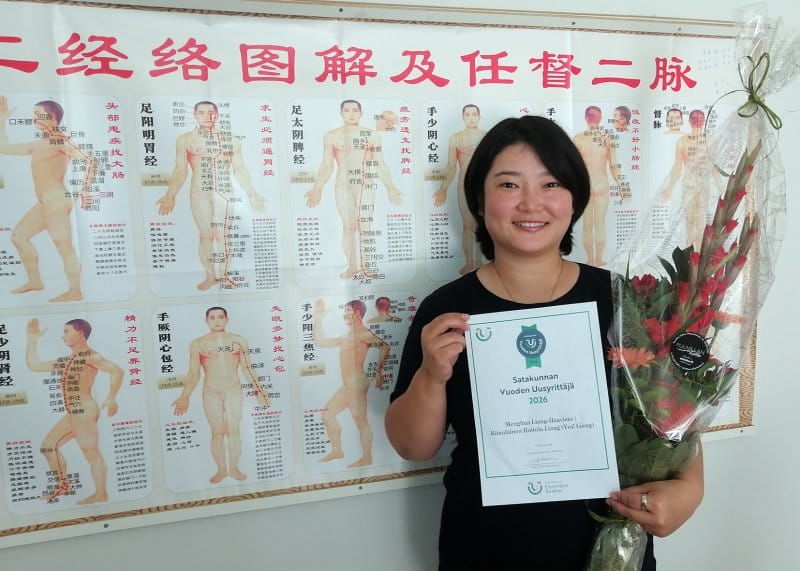
SAMK alumna Menghua Liang-Haavisto named Satakunta’s New Entrepreneur of the Year
Menghua Liang-Haavisto from Pori, entrepreneur and founder of Kiinalainen Hoitola Liang, has been named the winner of the Satakunta New Entrepreneur of the Year 2026 competition. This was the fifth time the annual award was presented.