
SAMK received more funding – the research ensures the function of critical healthcare environments during pandemics
SAMK received EUR 420,000 in funding from the Academy, in addition to which SAMK invests EUR 180,000 of its own funding for the research. 65 mainly university research projects competed of the funding, of which 16 were granted funding.
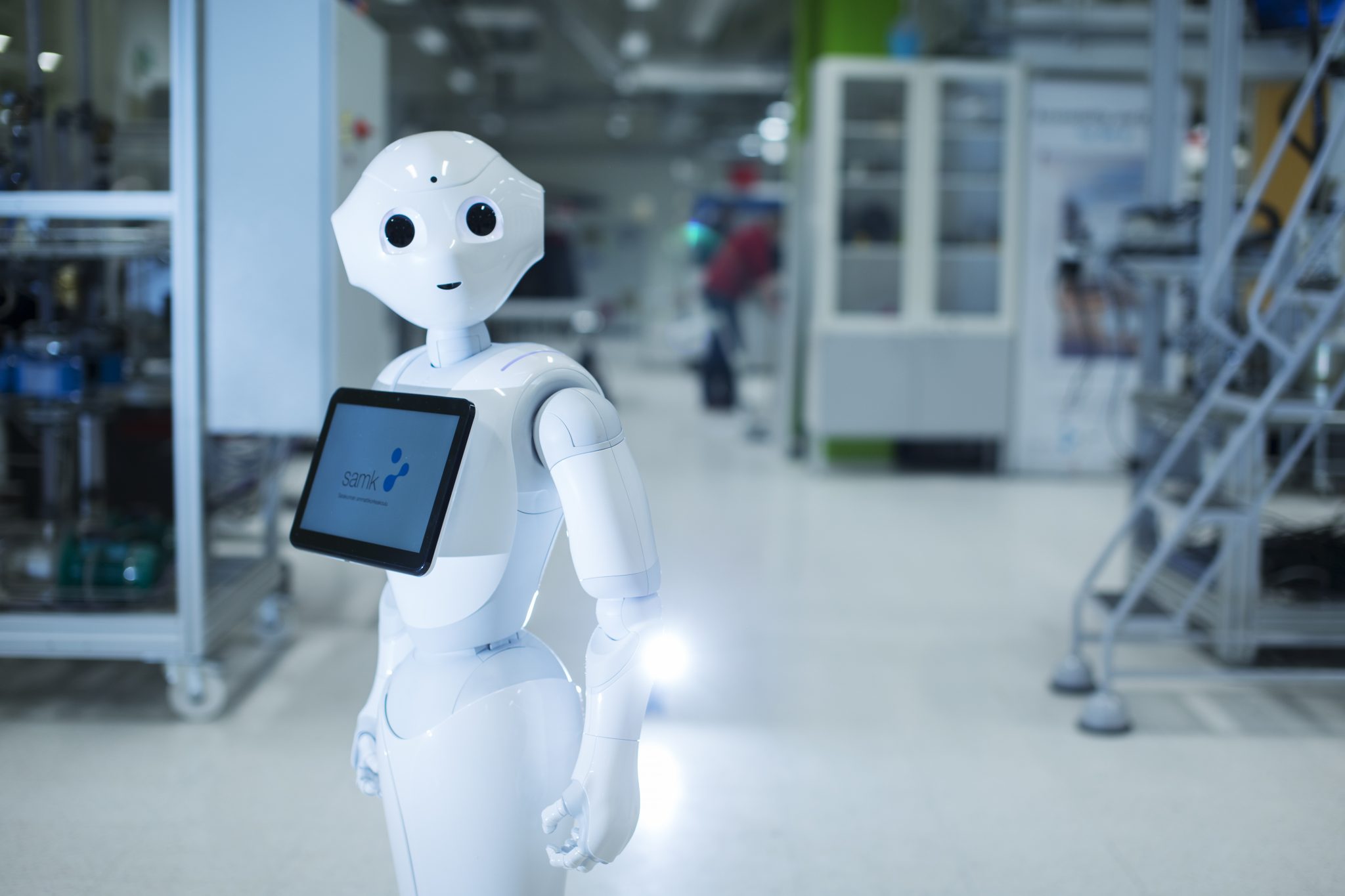
Satakunnan ammattikorkeakoulun automaatio laboratorio. Kuva: Tomi Glad
Cimmo Nurmi, Vice President of SAMK’s Research, has already been delighted with receiving three large sums of money this week.
– Earlier this week, we announced nearly EUR 1 million in research funding for the use of artificial intelligence in medical research. I have just been informed that we will receive a total of EUR 400,000 in funding for training experts in the plastics, food and manufacturing industries. The funding now received from the Academy strengthens our expertise in robotics and well-being technology and the operations of the RoboAI research and product development centre.
New technologies must be introduced especially in healthcare environments, such as hospitals and residential care homes, in order to safeguard the critical functions of society in times of crises, such as the pandemic. Technological solutions can secure access to critical services by preventing mass exposures and the resulting shortage of labour and overloading of healthcare capacity.
The same technologies can also be widely utilised in everyday life. The research focuses especially on safety at an individual’s level, but also invests in maintaining quality of life in crisis situations. This aims at preventing many consequent effects, such as depression and substance use caused by quarantine conditions. The research at SAMK is led by Sari Merilampi, Head of the Well-being Enhancing Technology Group.
– The study provides information on the compatibility of different technologies, and it is their combinations that can meet the challenges during the pandemic, Merilampi says. For example, the development of sensor technology integrated into clothing and the environment produces information on the state of human health, location, use of protective equipment and perceived risks.
– With new manufacturing methods, technology can be made undetectable, so it does not disturb and does not need to be remembered to be taken along, Johanna Virkki says, an Academy Research Fellow from the Smart Clothing Research Group at the University of Tampere.
The knowledge generated by technology is at the heart of everything. By combining different data sources, one can react in a timely and correct manner.
Service robotics cooperating with people is being developed to carry out a wide range of routine tasks and to operate in challenging conditions (e.g. risk of infection) in order to safely secure services and quality of life for people. In a crisis situation, mobile robots can take care of completely new tasks.
– Mobile robots can be equipped for health monitoring, for example, or they can disinfect the environment, Mirka Leino clarifies, the Head of SAMK’s Automation Technology Research Team. The research will be carried out in close cooperation with working life partners and the technology solutions will be tested in genuine environments across Satakunta during the years 2021-2023.
Read more
Read more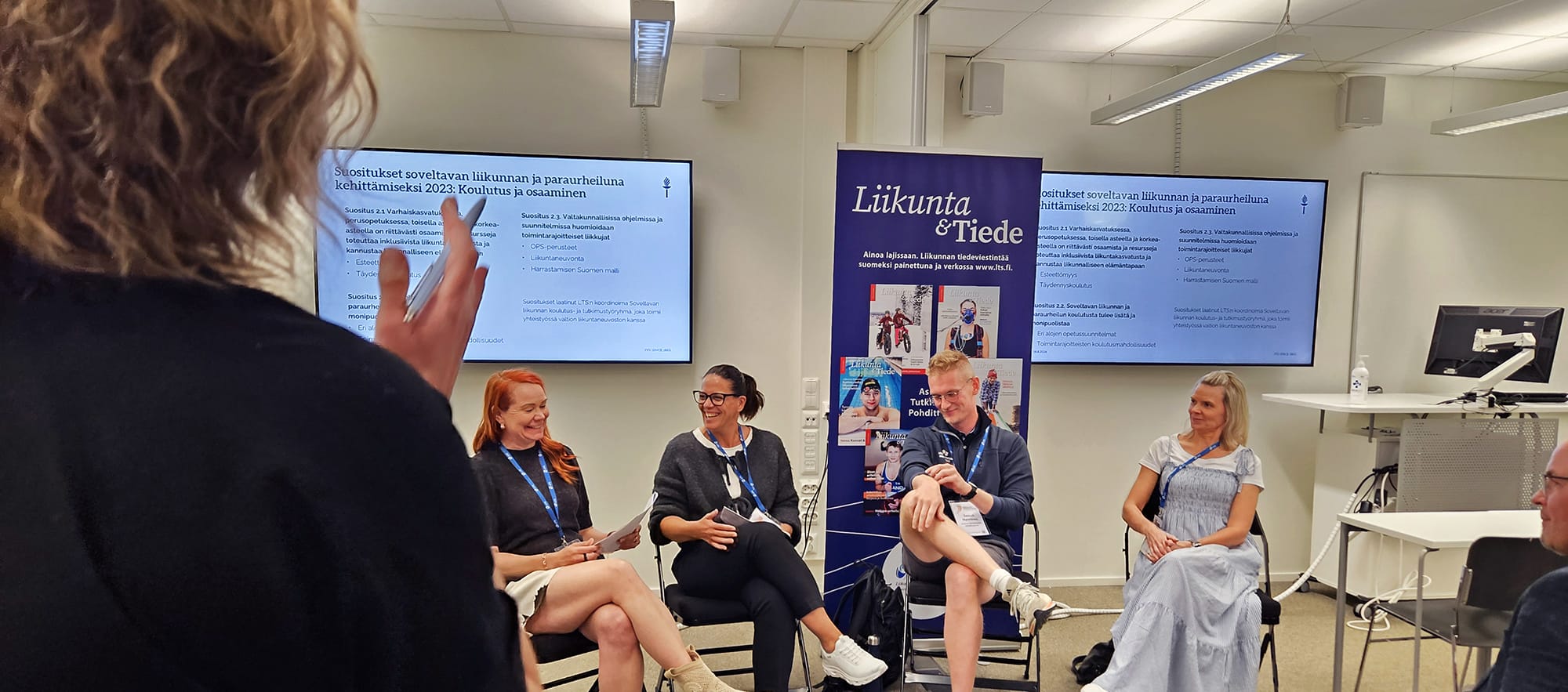
The seminar on adapted physical activity brought together experts and practitioners from the field at SAMK
Soveltavan liikunnan päivät (hereafter, Adapted Physical Activity Seminar), co-ordinated by the Finnish Society of Sports Sciences, was held this year at the SAMK Campus Pori. The two-day event brought together around 250 participants from across Finland.
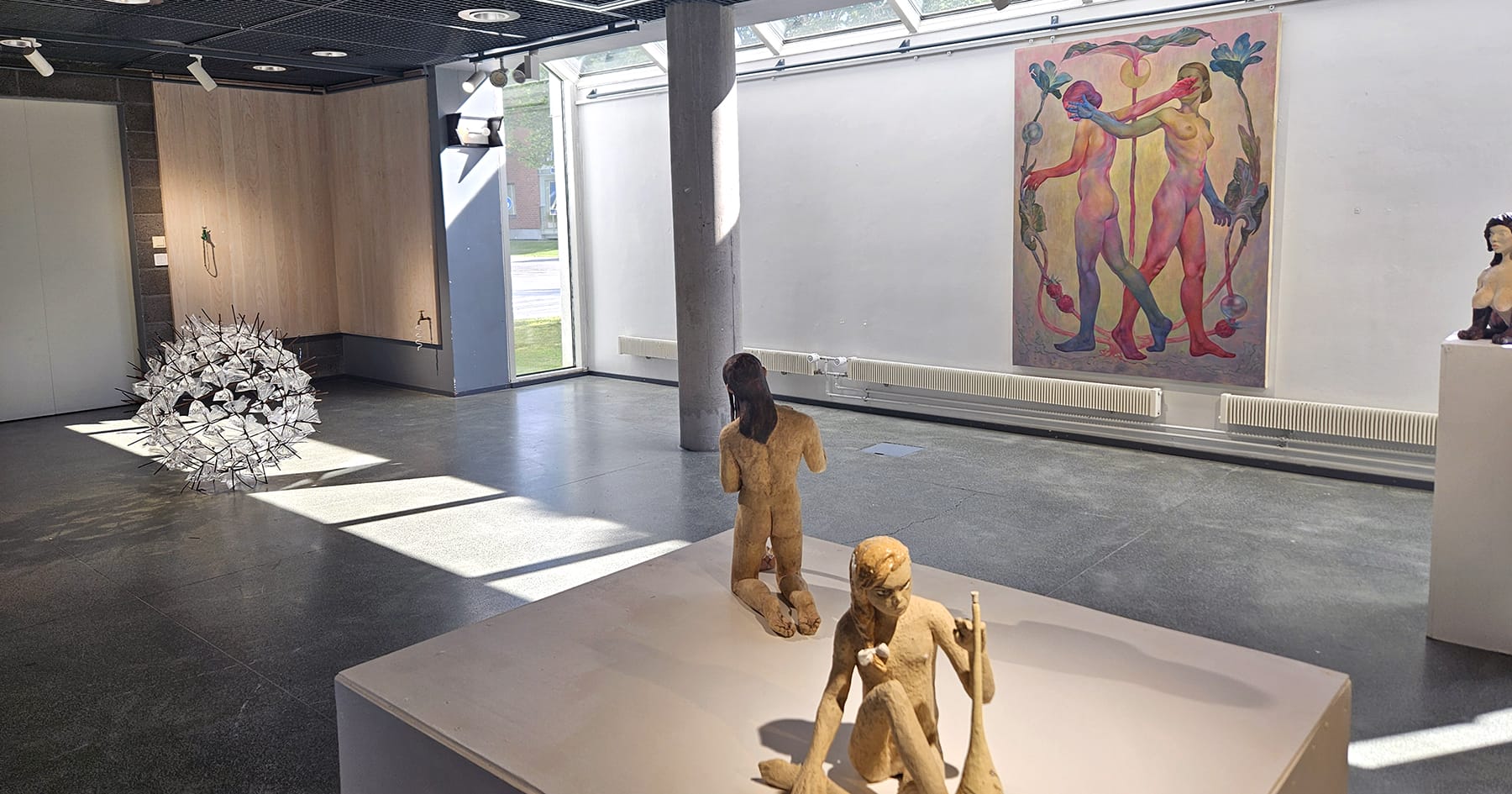
The first alumni exhibition showcases visual artists’ career paths
The first alumni exhibition, URA I, at the SAMK Fine Arts Campus in Kankaanpää, brings together visual artists who have graduated from Kankaanpää.
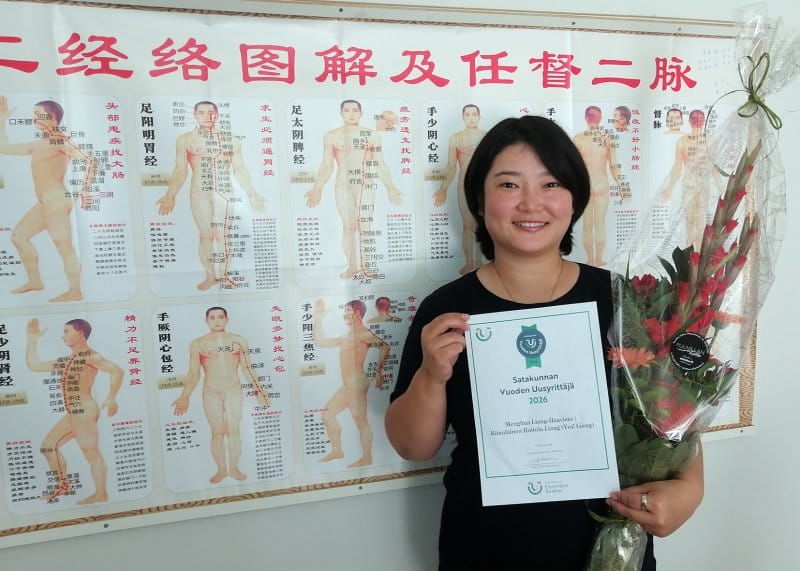
SAMK alumna Menghua Liang-Haavisto named Satakunta’s New Entrepreneur of the Year
Menghua Liang-Haavisto from Pori, entrepreneur and founder of Kiinalainen Hoitola Liang, has been named the winner of the Satakunta New Entrepreneur of the Year 2026 competition. This was the fifth time the annual award was presented.