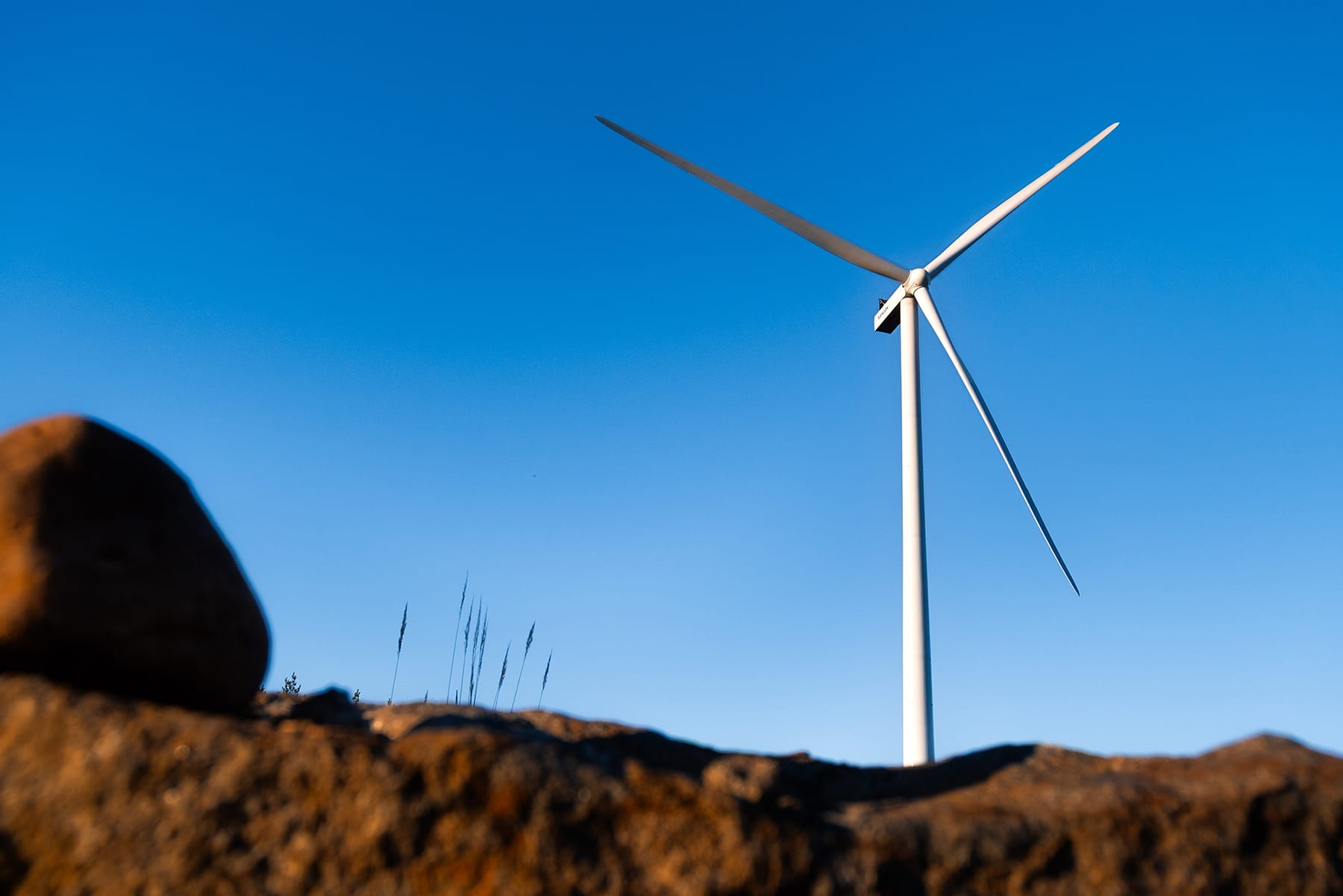
Maritime logistics is increasingly shifting towards Arctic and polar regions. At the same time, sustainability, the green transition and digitalization are becoming more prominent.
– This is precisely where the sector’s key opportunity lies – harnessing the potential of new marine areas and strengthening expertise through both national and international collaboration, explains Katri-Piia Rajala, Head of the Maritime Logistics Research Center.
Underlying factors include geopolitical changes, new shipping routes and a growing need to ensure the global functionality of maritime transport.
– Our societies depend on the marine areas functioning and remaining navigable, she points out.
Research builds practical solutions
The Arctic operating environment demands a new way of thinking: the vessels must be durable, high-performing and capable of operating in changing ice conditions. At SAMK, research focuses on, among other things, new shipping routes and vessel structures.
– New shipping routes require vessels that meet new types of durability and capacity requirements, says Rajala.
A shift in mindset is also essential: instead of focusing solely on vessels, entire systems are being developed.
– Shipbuilding is no longer just about constructing a vessel; it also involves ‘building’ a skilled crew capable of setting sail with the vessel.
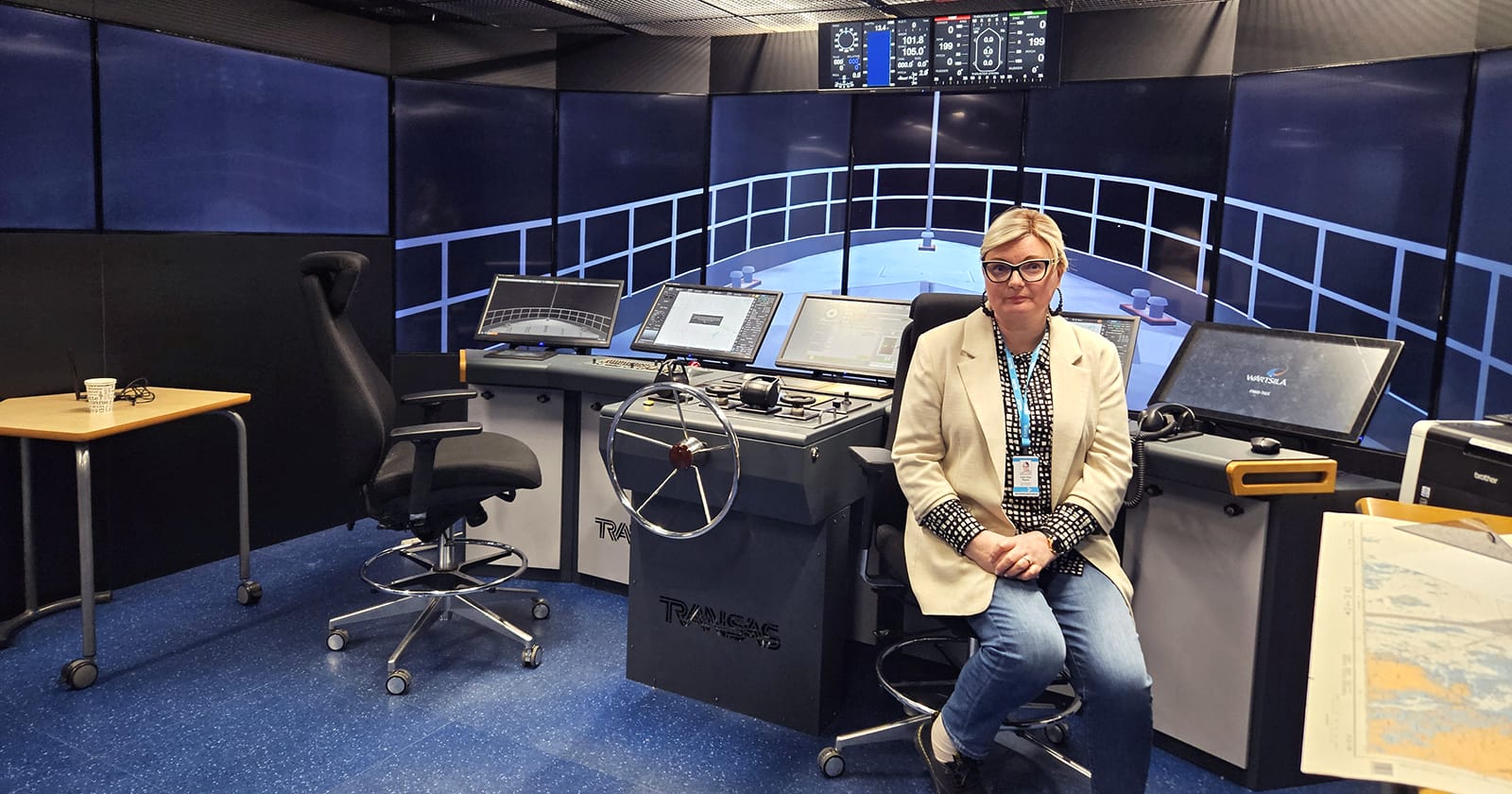
Rajala points out that simulations, robotics and digital systems play a key role in developing safe and efficient operations in the maritime logistics sector.
Sustainability at the core
The development of Arctic maritime transport must not come at the expense of the environment. The research addresses issues, such as low emissions, alternative fuels and the protection of the marine ecosystems.
– We take sustainability, the green transition and digitalization into account in everything we do. In practice, this means, for example, research into underwater noise and ways to safeguard the ecosystems of sensitive marine areas.
Expertise is built through networks. SAMK works closely with companies, educational institutions, shipyards and ports both in Finland and abroad.
SAMK’s growing role in international projects
One current focus area is icebreaking expertise. International interest is increasing, creating demand for specialized solutions.
Ongoing initiatives, such as the Ice Pact collaboration, bring together stakeholders from different countries to develop solutions for the Arctic marine area. For SAMK, this means an expanding role in international projects.
The goal is to develop environments where crews can be trained and solutions tested realistically, even before the vessels are put into operation.
Developments in Arctic maritime logistics are rapid, and this is also reflected in growing demand at SAMK.
– We receive weekly enquiries asking if we would like to join a consortium or project, says Rajala.
The aim is to strengthen the position of the Maritime Logistics Research Center and expand its role. At the same time, the work is part of a broader picture.
– In addition to expertise in maritime logistics, we need robotics, data-driven management and resource wisdom – we collaborate in many ways with SAMK’s other research centers as well, she notes.