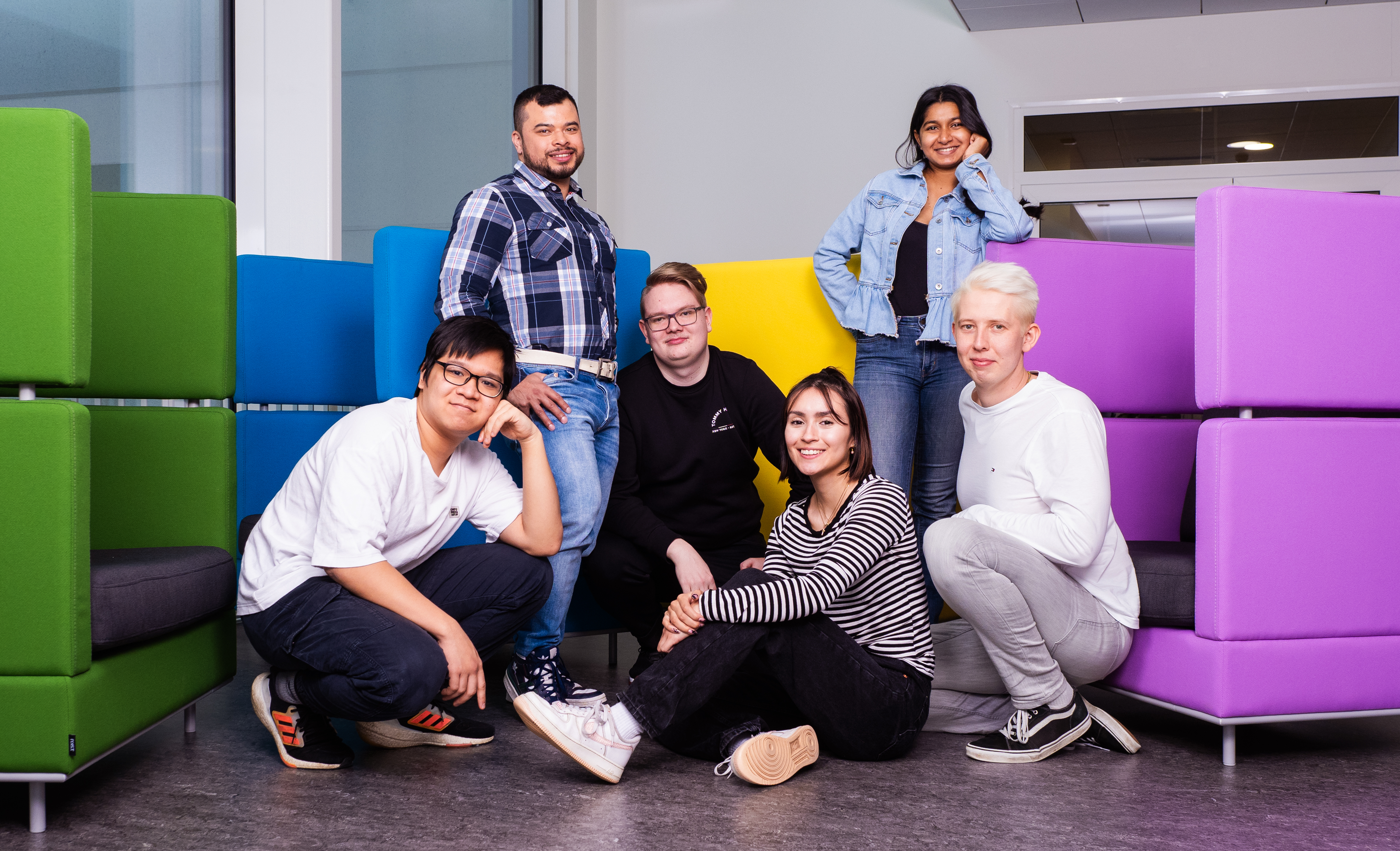
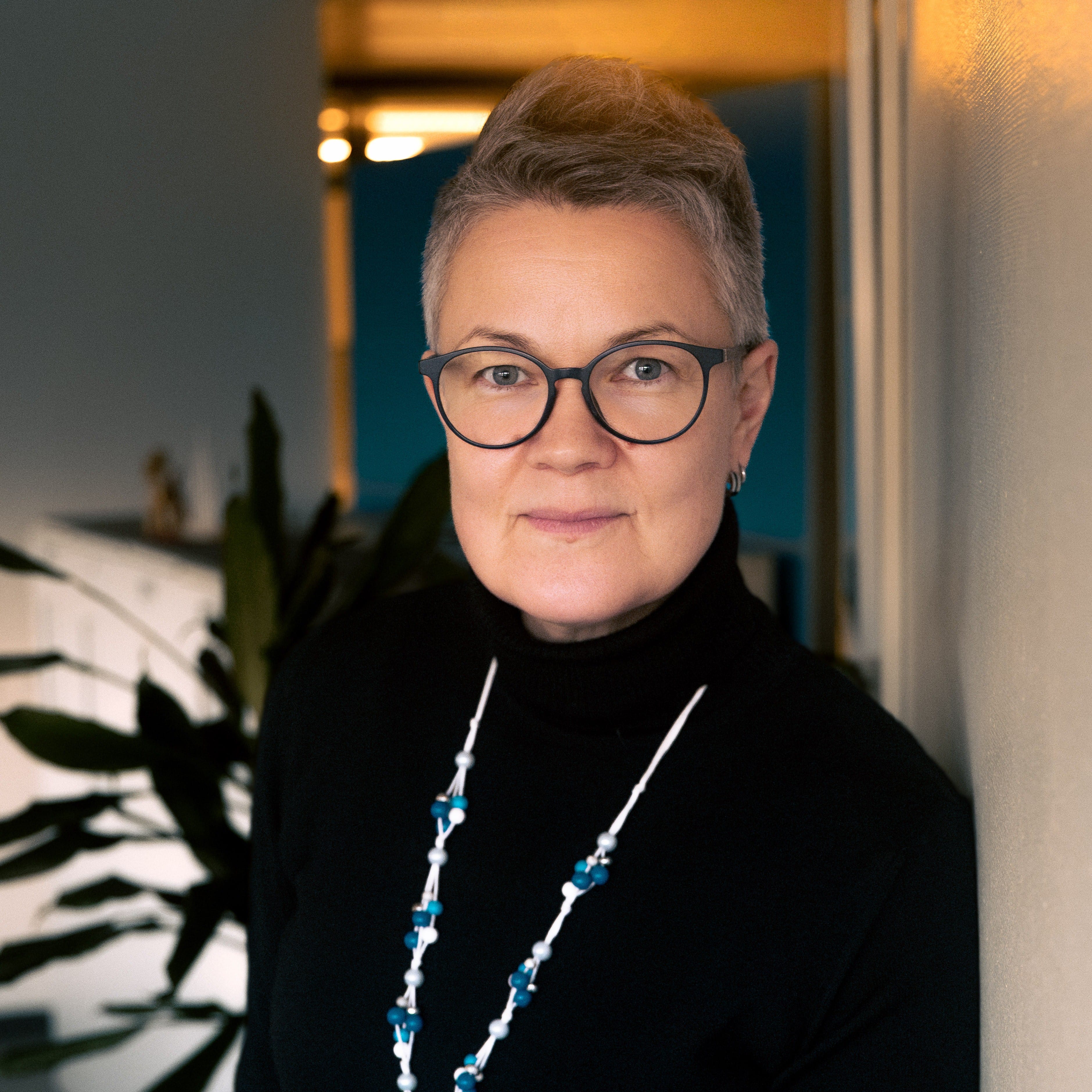
Students at the SAMK campus.

Studification of work 

Studification of work

Studification of work is an alternative way for Bachelor’s and Master’s degree students to complete their studies when the theoretical content of a course supports learning at work and the learning objectives defined in the curriculum can be achieved through the student’s work.

What does studification mean?

Make use of your work or even your hobbies as part of your studies

Studification is an alternative way for bachelor’s and master’s degree students to complete their studies by incorporating the skills and competence gained through work, organizational activities or hobbies into their higher education studies. The aim is for theoretical studies to reinforce these skills and competence by integrating them into the development of your work. 

Applying studification in completing higher education studies requires you to be goal-oriented, responsible, and self-directed. At the same time, it offers the opportunity to combine practical experience with the knowledge base provided by the higher education institution, thereby strengthening both your own competence and that of your work community. 

In studification, it does not matter whether the work is paid employment or, for example, voluntary or hobby-related activity. The most important thing is that the work carried out meets the learning objectives of the studies. Your personal study plan defines these objectives and the evaluation criteria. 

Please note that studification involves integrating work you complete alongside your studies into your course of study. If you have prior learning that you could have recognized as part of your degree, this can be done through the RPL process.

Find out more about the RPL options 

TASSU AI assistant

The TASSU AI assistant for finding direction and learning new skills

Studification is always based on the learning objectives defined in the curriculum. TASSU helps you consider how your current work tasks, projects, or other activities connect to your studies and what studification opportunities they may offer. It accompanies you as you seek direction, develop new competence and explore studification opportunities. 

In TASSU, you can provide more detailed information about the experience and skills you have gained through work or hobbies. Based on the information you provide, it generates options for using studification to complete courses in your degree. You can also share TASSU’s responses with your OTSO teacher (hereafter, OTSO) to help you create your studification plan. 

When you have questions about studification, your teacher tutor can also help you get started, alongside your OTSO.

Find out more about TASSU.

The process step by step

Studification process

  1. Get to know TASSU and use it to identify your existing competence and explore possible studies that could be completed by studification.
  2. Use the form to contact the OTSO for your field of study. Together, you can discuss the studification possibilities and the learning objectives of the study units.
  3. Draw up a studification plan together with your OTSO. The plan specifies the competence you aim to develop through your work or hobbies, and how it corresponds to the learning objectives of the course to be completed by studification.
  4. As a student, you will carry out the studification in accordance with the approved plan, and the process concludes with the evaluation of the study unit. 
  5. The evaluation will be recorded in your transcript of records. 

Please note

It is important to note that

  • In the studification process, it does not matter whether the work is paid employment or, for example, voluntary or hobby-related activity. 
  • TASSU serves as a starting point for discussion and supports the planning process, but the studification is always carried out in collaboration between the student, OTSO and a representative from the workplace. 
  • The studification requires the student to be both organized and goal-oriented, including in terms of time management. 
  • The student’s personal study plan defines the objectives and evaluation criteria. 
  • The student is responsible for demonstrating their competence. 

OTSO teachers

OTSO – Supporting you in the studification

Teachers who identify competences and provide guidance, i.e. OTSOs, are there to support you in the studification. They are teachers and developers within your higher education institution’s faculties, with particular expertise in studification. The starting point for a plan drawn up with the help of the OTSO is the development of your expertise in your own field by combining studies with practical work. OTSOs support you throughout the process and help ensure that it is carried out in accordance with the requirements of your degree. 

The role of OTSOs is to help identify competence gained through work and to guide you in incorporating it into your degree through studification. 

Below, you can find the contact details and areas of expertise for the OTSOs in your faculty. OTSOs are available on weekdays from 8 am to 4 pm. Please contact them primarily by email.  

Well-being and Fine Arts

Sari Lintukorpi

Senior Lecturer
+358 44 710 3376 sari.lintukorpi@samk.fi
Office
Faculty of Well-being and Fine Arts
Operating unit
Physiotherapy
Team
Physiotherapy team
Establishment
SAMK Campus Pori

Sanna Marjamäki

Senior Lecturer
+358 44 710 3183 sanna.marjamaki@samk.fi
Office
Faculty of Well-being and Fine Arts
Operating unit
Social Welfare and Rehabilitation
Team
Social Welfare, Elderly Care and Rehabilitation (m
Establishment
SAMK Campus Pori

Mari-Elina Vene

Senior Lecturer
+358 50 432 9778 mari-elina.a.vene@samk.fi
Office
Faculty of Well-being and Fine Arts
Operating unit
Nursing
Team
Nursing (multiform) team
Establishment
SAMK Campus Pori

Tomi Kuusimäki

Senior Lecturer
+358 44 710 6113 tomi.kuusimaki@samk.fi
Office
Research
Operating unit
Resource Wisdom
Other roles in organisation
Degree Programme Coordinator
Establishment
Fine Arts Campus

Business and Management

Johanna Ventelä

Senior Lecturer
+358 44 710 3812 johanna.ventela@samk.fi
Office
Faculty of Business and Management
Operating unit
International Business and Tourism
Team
International Business team
Establishment
SAMK Campus Rauma

Pia Lahdenmaa

Senior Lecturer
+358 44 710 3459 pia.lahdenmaa@samk.fi
Office
Faculty of Business and Management
Operating unit
Languages and Communication
Establishment
SAMK Campus Pori

Milka Vahtoranta

Senior Lecturer
+358 44 710 3517 milka.vahtoranta@samk.fi
Office
Faculty of Business and Management
Operating unit
Business and Law
Team
Business team
Establishment
SAMK Campus Rauma (Merimäki)

Hanna Kiviranta

Senior Lecturer
+358 50 433 7359 hanna.kiviranta@samk.fi
Office
Faculty of Business and Management
Operating unit
SAMK Master School
Team
Future Leadership team
Establishment
SAMK Campus Pori

Technology and Maritime Studies

Petteri Pulkkinen

Senior Lecturer
+358 44 710 3296 petteri.pulkkinen@samk.fi
Office
Faculty of Technology and Maritime Studies
Operating unit
IntelIigent Industry
Team
Mechatronics team
Establishment
SAMK Campus Pori

Marko Ylinen

Senior Lecturer
+358 44 710 3304 marko.ylinen@samk.fi
Office
Faculty of Technology and Maritime Studies
Operating unit
Industrial Environment
Team
Electrical and Automation team
Other roles in organisation
Supervisor of Electrical Works Degree Programme Coordinator
Establishment
SAMK Campus Pori

Mari Kujala

Researching senior lecturer
+358 44 710 3277 mari.kujala@samk.fi
Office
Faculty of Technology and Maritime Studies
Operating unit
Built Environment
Team
Construction team
Establishment
SAMK Campus Pori

Iina Virtanen

Lecturer
+358 44 710 3133 iina.virtanen@samk.fi
Office
Faculty of Technology and Maritime Studies
Operating unit
Engineering and Maritime Studies
Team
Technology team
Establishment
SAMK Campus Rauma

OTSOs’ areas of expertise 

Hanna Kiviranta 

Business and Management (Master School), Pori 

Areas of expertise 

  • Future-oriented leadership and strategies 
  • Digitalization, data and AI 
  • Data leadership 
Mari Kujala 

Technology and Maritime Studies, Pori 

Site studies are carried out in accordance with the curriculum during the spring semester, from January to April. Some parts of the worksite studies can still be completed in May-June, but the worksite studies should begin no later than the beginning of March.  

Areas of expertise 

  • Workplace-based learning in construction engineering 
  • Low-carbon construction and carbon footprint calculation 
  • Fire safety 
  • Construction economics 
  • Concrete technology and concrete laboratories 
  • Project management and work-based projects 
Tomi Kuusimäki 

Well-being and Fine Arts, Kankaanpää 

Research 

Areas of expertise 

  • Expertise arising from a visual artist’s projects and work 
  • Collaborative projects 
  • Networking 
  • Multidisciplinary projects 
Pia Lahdenmaa 

Business and Management, Pori 

Areas of expertise 

  • Communication studies 
  • Flexible methods of studification 
  • Tailoring studies 
  • Individual career paths 
Sari Lintukorpi 

Well-being and Fine Arts, Pori 

Areas of expertise 

  • Different areas of physiotherapy 
Sanna Marjamäki 

Well-being and Fine Arts, Pori 

Areas of expertise 

  • Different areas of rehabilitation counselling 
  • Professional interaction in the field of social services 
  • Studies in social services and applied gerontology 
Petteri Pulkkinen 

Technology and Maritime Studies, Pori 

Areas of expertise 

  • Electrical and Automation Engineering 
  • Artificial intelligence and robotics 
  • Corporate and collaborative projects 
Milka Vahtoranta 

Business and Management, Rauma 

Areas of expertise 

  • Different areas of business 
Mari-Elina Vene 

Well-being and Fine Arts, Pori 

Areas of expertise 

  • Different areas of nursing 
Johanna Ventelä  

Business and Management, Rauma 

Areas of expertise 

  • Marketing 
  • Digital commerce 
  • E-commerce 
  • International Trade 
Iina Virtanen 

Technology and Maritime Studies, Rauma 

Areas of expertise 

  • Project activities 
  • Safety management 
Marko Ylinen 

Technology and Maritime Studies, Pori 

Areas of expertise 

  • Workplace-based learning in electrical and automation engineering 
  • Electrical safety at work and electrical safety legislation 
  • Electrical grids and solar energy systems   
  • Fire safety related to electrical systems, particularly solar energy systems 
  • Technical documentation and design environments 
  • Work-based projects and project management