
140 years of Maritime education in Rauma – Focus on intelligent maritime management and logistics
Rauma Maritime education is celebrating its’ 140th anniversary. The education has gone through many development stages during a century. Intelligent maritime management and logistics are nowadays essential parts in SAMK strategy.
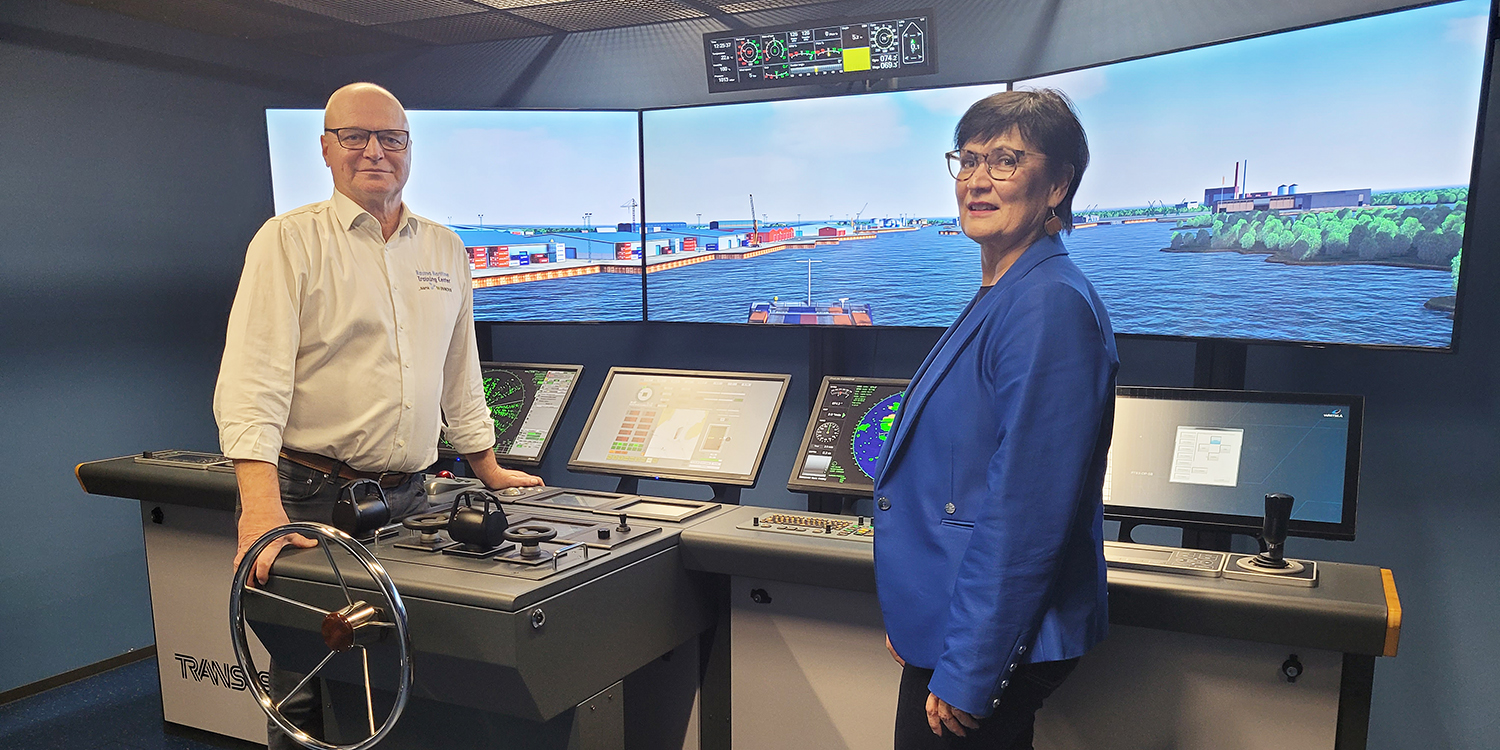
M. Koivisto and Ms. Tempakka in a simulator, the Port of Rauma in their back.
SAMK offers Maritime engineering studies in Finnish and English in the Sea Captain degree programme. Students can also choose a Master’s degree programme in Maritime Management at SAMK, various different further training courses and first aid courses for deck officers and engine room staff.
Maritime education has changed in many ways during the years.
– In earlier days you had to have three years-experience on a sailing ship if you wanted to enter the job market. Nowadays that is not a requirement anymore, tells the project manager M. Heikki Koivisto. He has been teaching maritime education for a long time.
The long experience in sailing has been replaced by practical trainings coordinated by HarjoitteluMylly. Students have often been and are still recruited to work on the same ship after their training. Some have been promoted.
– The practicing period is 360 days. We have simulators now, where students can practice and get 30 days at sea. That is a great opportunity to cumulate days at sea, it is quite rare in the world. These days in simulators are not included in sea accident statistics, tells M. Koivisto.
Ms. Riitta Tempakka, the Dean of Faculty of Logistics and Maritime Technology thinks seafaring is very important for SAMK.
– Seafaring is our oldest degree programme. Of course, it has changed quite a lot. We follow the latest trends in the field, she says.
Port application in an international competition
The Port Activity App developed in the ports of Rauma and Gävle received a Highly Commended mention in the SeatradeAwards final last week. The application aims to clarify and fasten ship arrivals to ports and cargo operations at the right time. The arrival, departure and different port operations can be followed with the application in real time.
Seatrade Awards is a worldwide, leading Seafaring and Maritime Industry Awards programme. For over 30 years awards have been given to different actors in the sector. Awarded winners represent the sharpest, best actors in seafaring, in both commercial solutions and cooperation.
– This application is already in use in Finland in 14 ports. The Port of Rauma was a test port in Finland and the Port of Gävle in Sweden. This Highly Commended mention shows that SAMK is part of the leading research projects in the world, states M. Koivisto.
The new application brings Just-In-Time thinking to the ports. This will promote sustainable development. New energy sources are part of seafaring, too.
– Aurora Botnia ship was built in Rauma. It represents new technology, it is very environment-friendly, explains Ms. Tempakka.
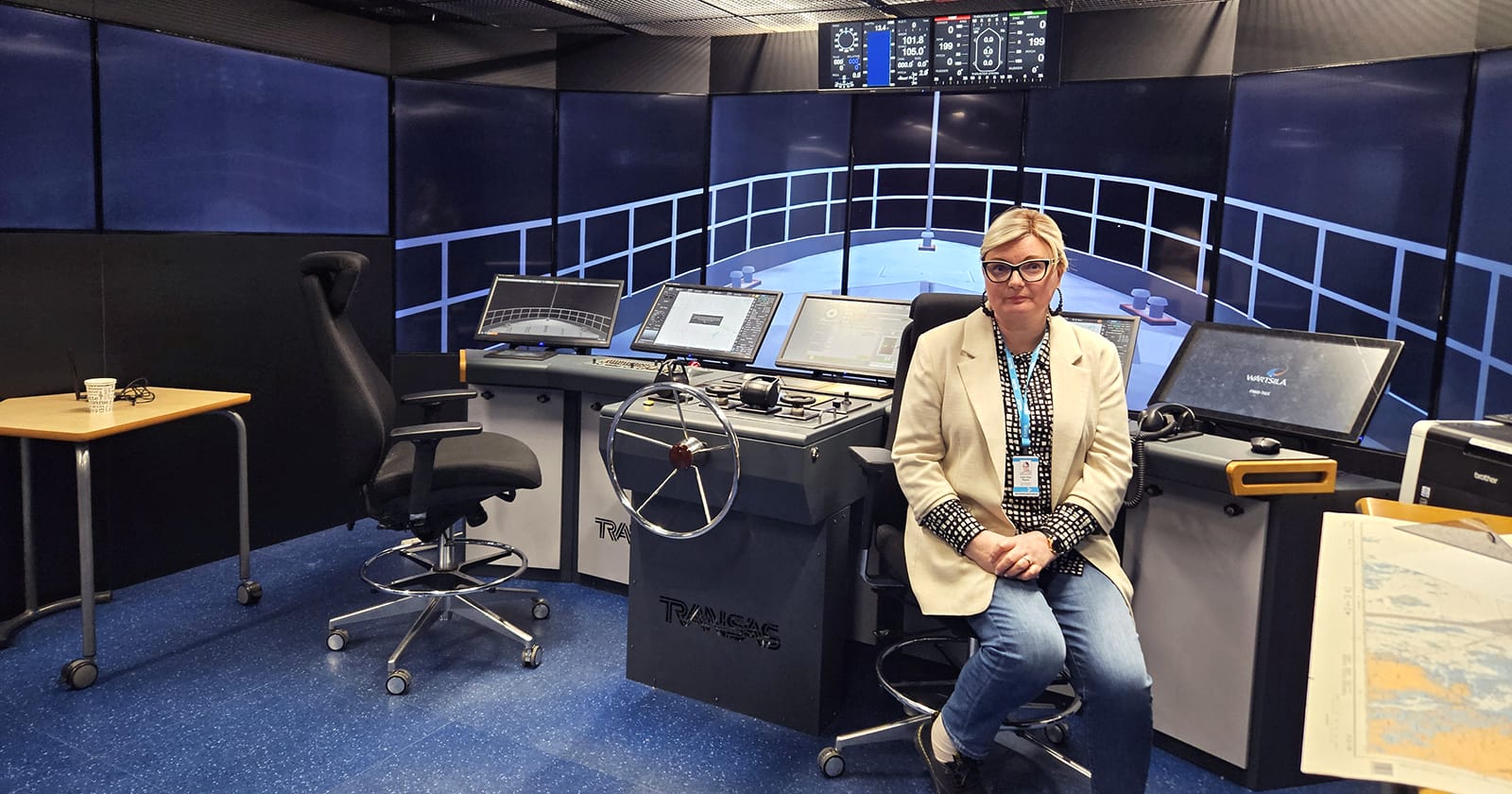
Aurora Botnia’s simulator is located in SAMK campus Rauma. It is a result of cooperation between RMC, Wasaline and SAMK.
There are many challenges linked to the fact that there are old and new ships on the seas and oceans.
– There are still a lot of ships built in 1980’s and 1990’s. Students must learn both technologies, how to operate old and the new ships, tells M. Koivisto.
Close connections to job market
SAMK has sent many maritime experts into the world. For instance, maritime counsellor M. Markku Mylly, SAMK Senior Fellow, graduated from Rauma Maritime Institute.
– We have close connections to job market and smooth cooperation with vocational schools. Our simulator are also used by WinNova vocational school, says M. Koivisto.
Maritime education programmes include a lot of international cooperation, too.
– For example, in January next year we will receive a group of double degree students from Namibia. They will study maritime engineering, explains M. Koivisto.
Seafaring is an important link in logistic chains.
– We teach intelligent solutions: how to manage supply chains, materials, data and financial flows. Multidisciplinary cooperation is the key, clarifies Ms. Tempakka.
Simulators are used in teaching, also in remote learning. We have tested remote pilotage in Rauma, too. For instance, we have tested how external factors affect pilots in remote pilotage. Test results could be used when developing pilotage in future, also later when developing automatic ships.
– We collect data for later use. Of course, we don’t know yet when remote pilotage would be part of our everyday life, says M. Koivisto.
Read more
Read more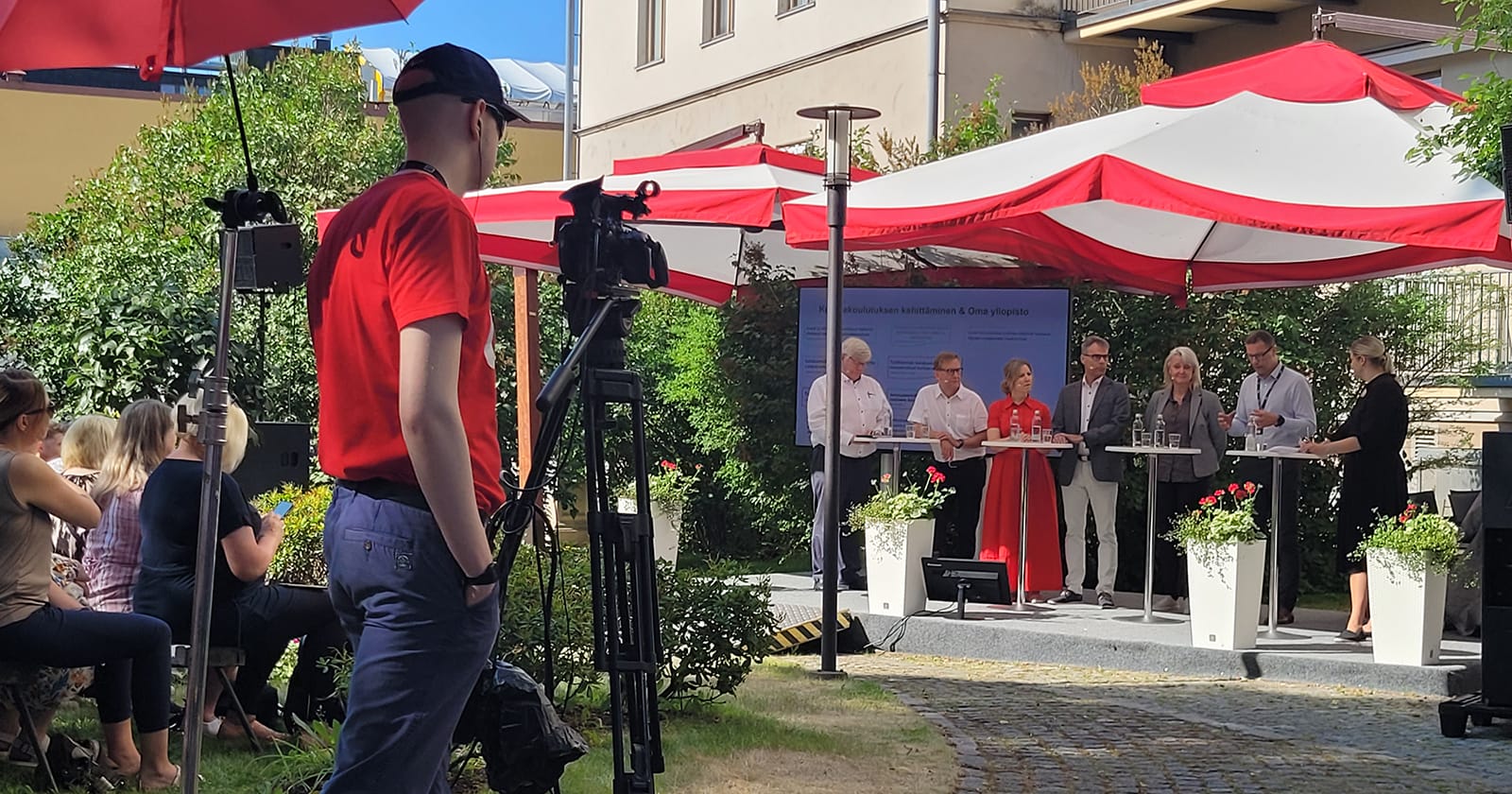
SAMK at SuomiAreena, in themes of space technology, expertise and a sustainable future
SAMK will participate in SuomiAreena in Pori from 23 to 26 June 2026. SAMK will be contributing both the Kansalaistori (Citizen square) programme and SuomiAreena’s Suuri avaruuspäivä (Big Space Day) which will explore the opportunities offered by space technology and Finland’s role as a future success story.
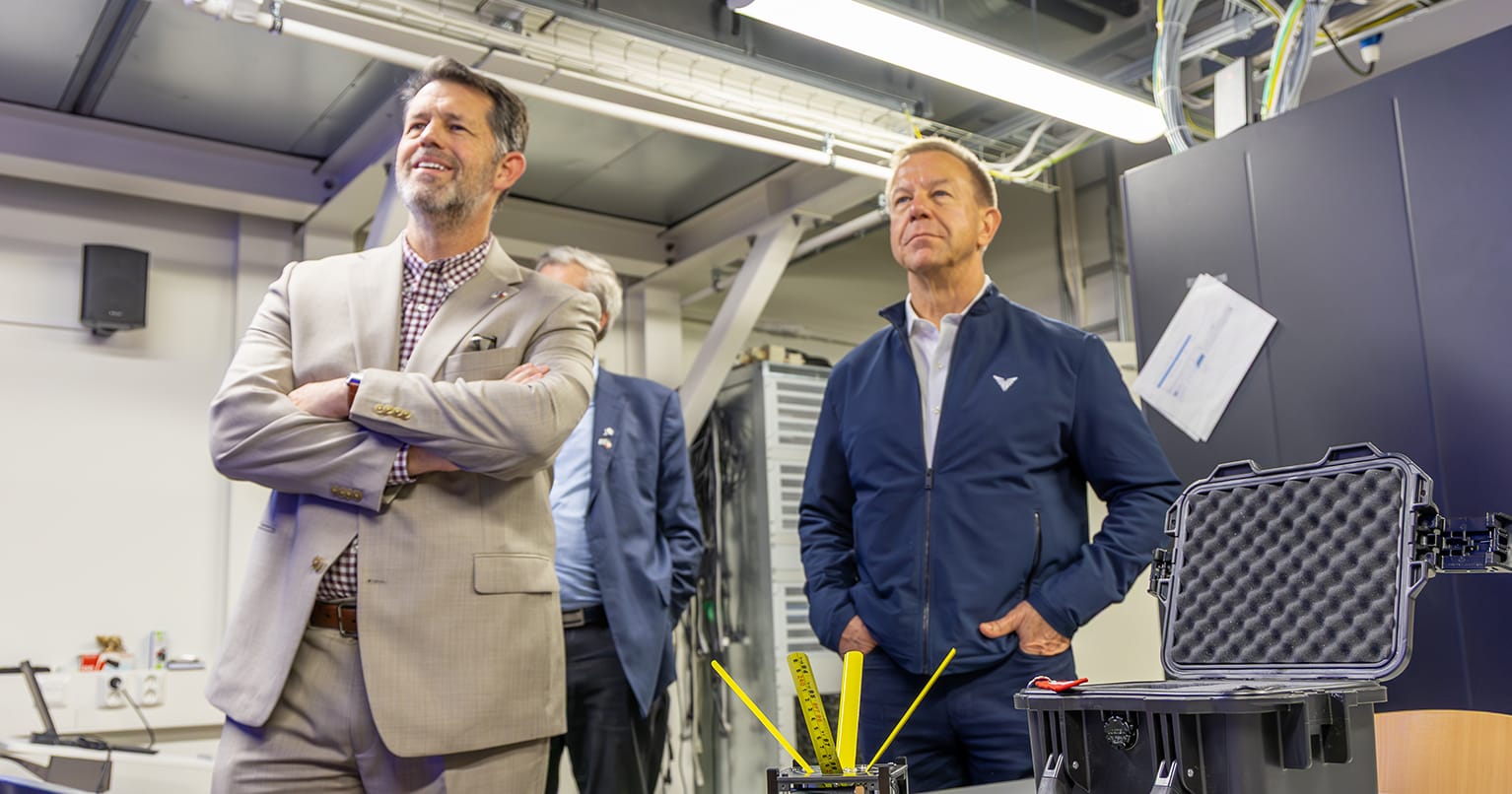
International space industry guests visited Pori – see the photo gallery
Former NASA astronaut Tim Kopra, NASA HUNCH Program Manager Scott Rodriguez, and Consul General of Finland in Houston Stefan Lindström visited Pori to explore the region’s potential in developing space-related education, research, and international collaboration.
Arctic expertise is growing – SAMK developing solutions for the maritime transport of the future
Arctic maritime transport has rapidly emerged as one of the key development trends in the maritime sector. At SAMK this is reflected in a clear focus on maritime logistics research.