Maritime education is going through radical change
Maritime education is based largely on outdated theoretical knowledge, but on the other hand, simulators are also being utilised more than before. Simulators bring us one step closer to intelligent shipping according to Maritime Senior Lecturer Marko Löytökorpi.
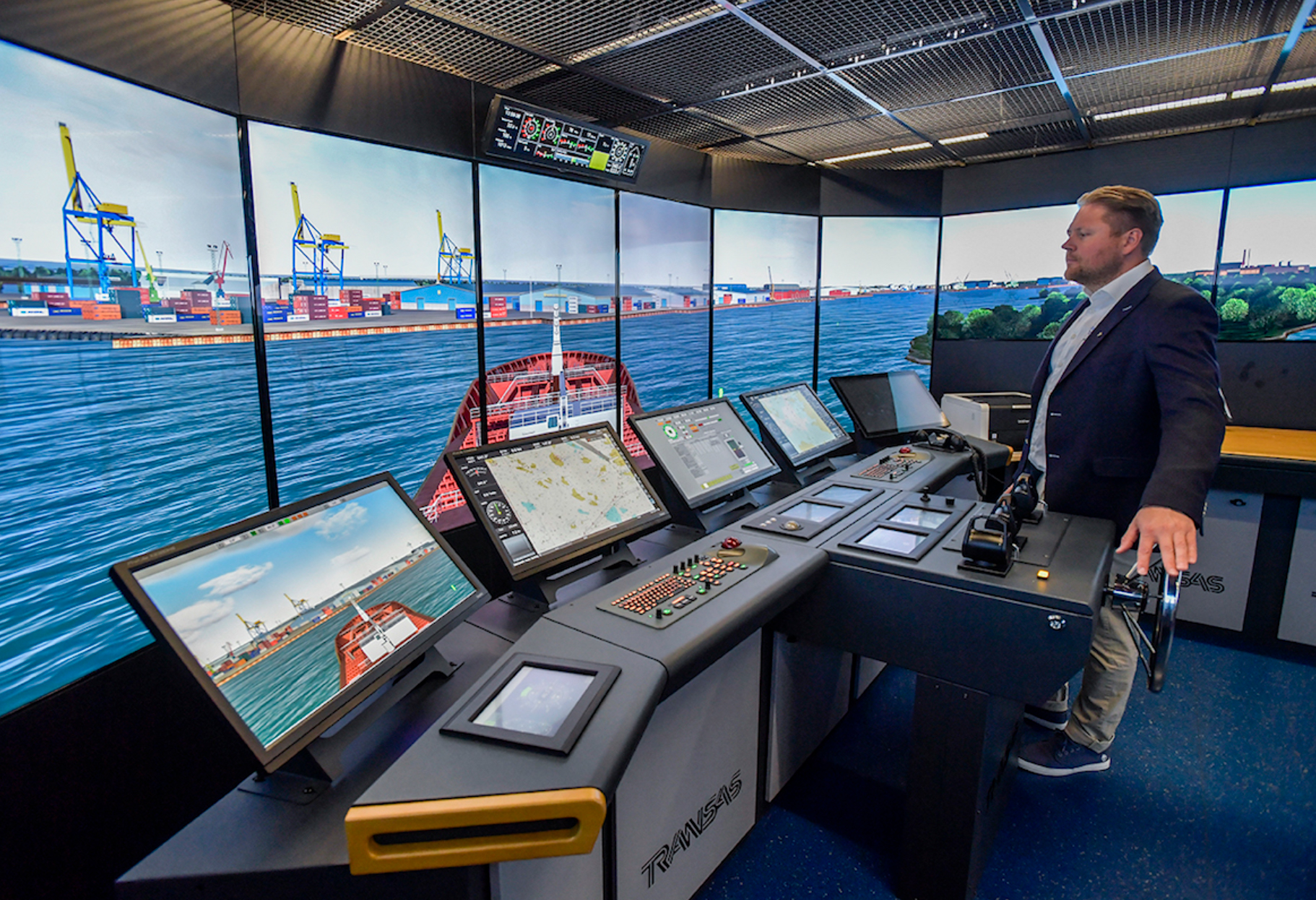
Radical change. This is how Marko Löytökorpi, Master Mariner, describes the status of maritime education. With a long career at sea and as a Maritime Senior Lecturer, Löytökorpi has a solid understanding of what is happening in the field.
” Maritime is a fast-developing field, requiring vigilance from educators and students alike.
– We are at the point where old meets new. The education is governed by the standards specified by the International Maritime Organization (IMO). Education is quite slow to react to the winds of change, Löytökorpi explains.
Maritime is a fast-developing field, requiring vigilance from educators and students alike. With the aid of the ISTLAB project, we can offer students and teachers glimpses into the future of maritime.
Read the whole article (istlab.samk.fi)
Read more
Read more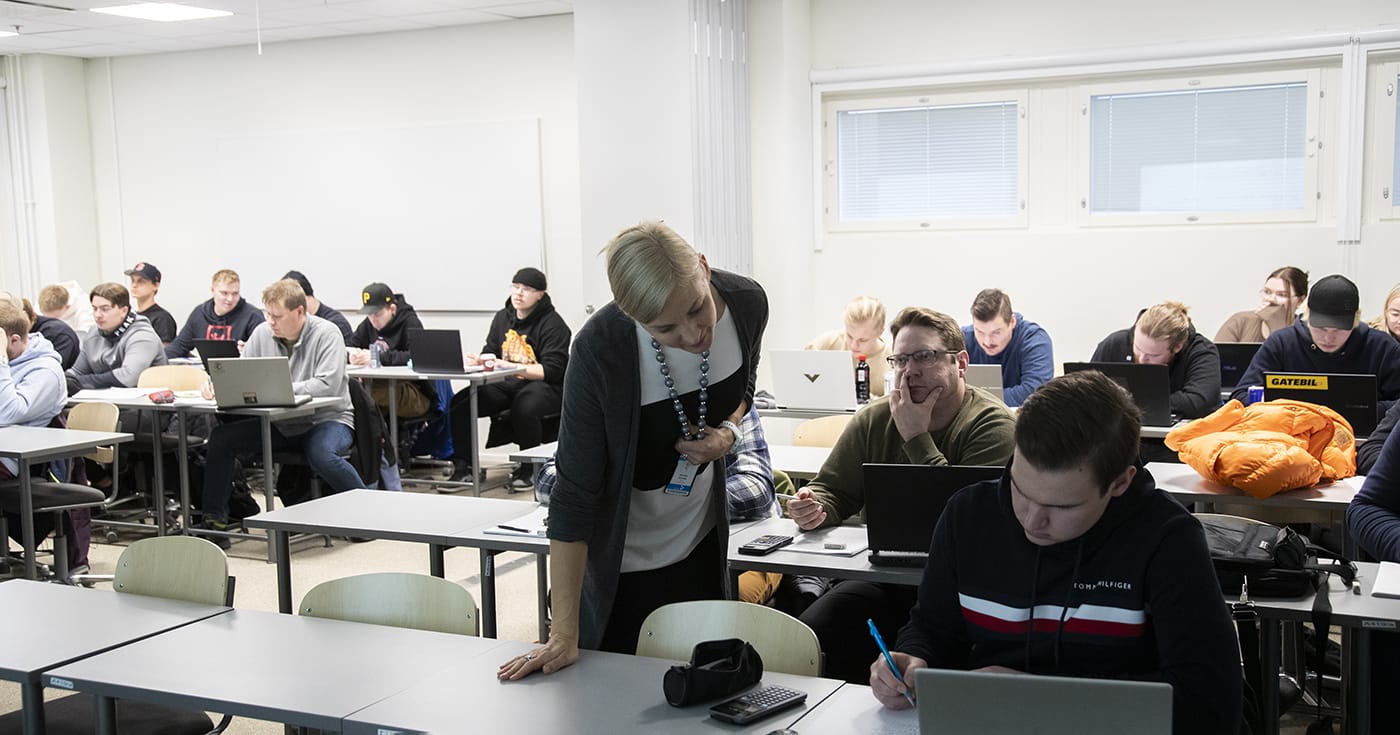
SAMK graduates achieve excellent employment outcomes – highest rate in the comparison three years after graduation
Employment outcomes for graduates of Satakunta University of Applied Sciences (SAMK) are among the strongest in Finland. A recent comparison placed SAMK third among universities of applied sciences. SAMK also ranked first in the report’s business and technology subject groups, based on average results for the statistic
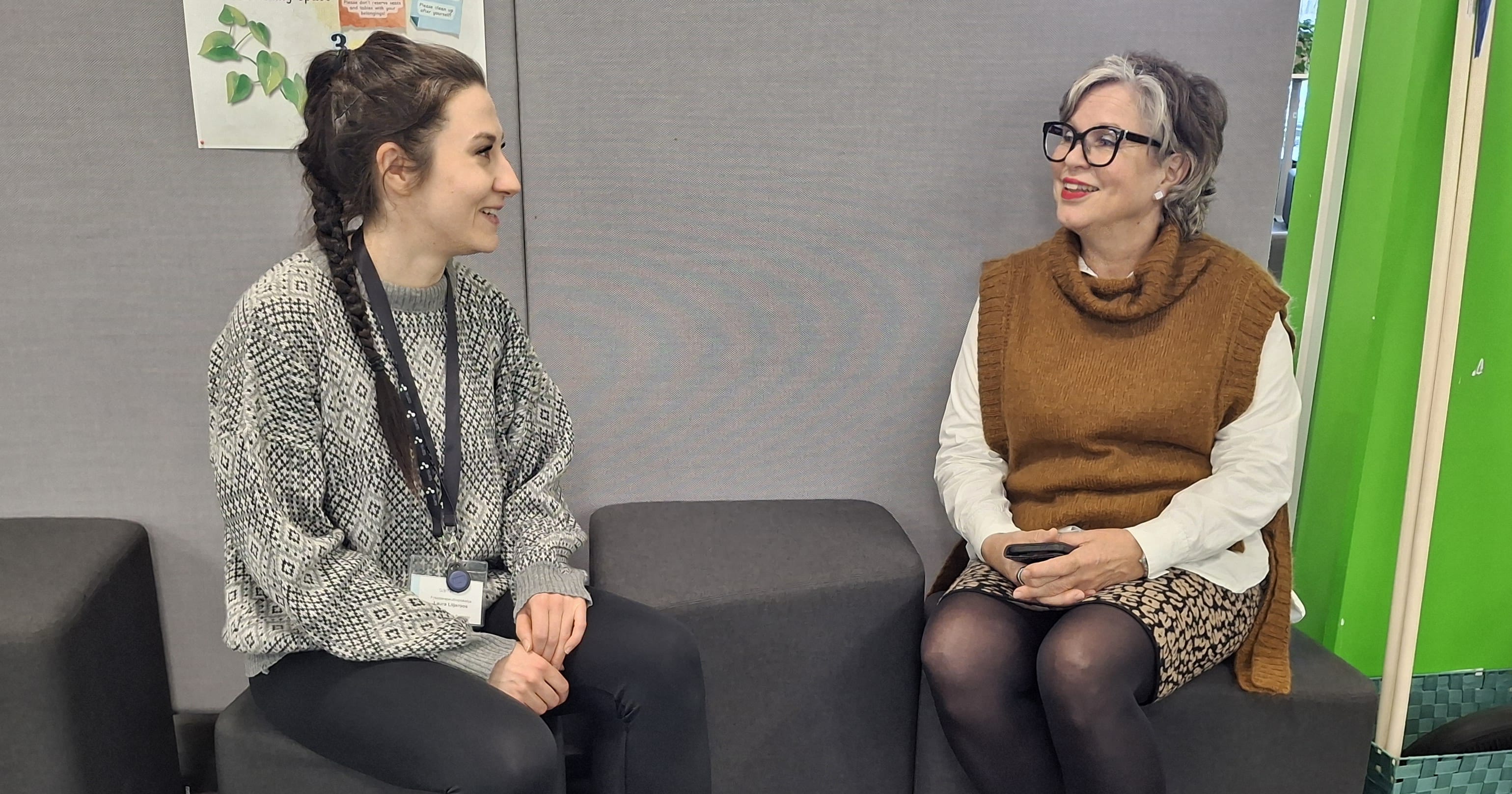
Enterprise Accelerator teaches much more than entrepreneurship
Celebrating its 30th anniversary this autumn, SAMK Enterprise Accelerator™ gives students the opportunity to develop their own business ideas, try out entrepreneurship and build their skills as part of their higher education degree.
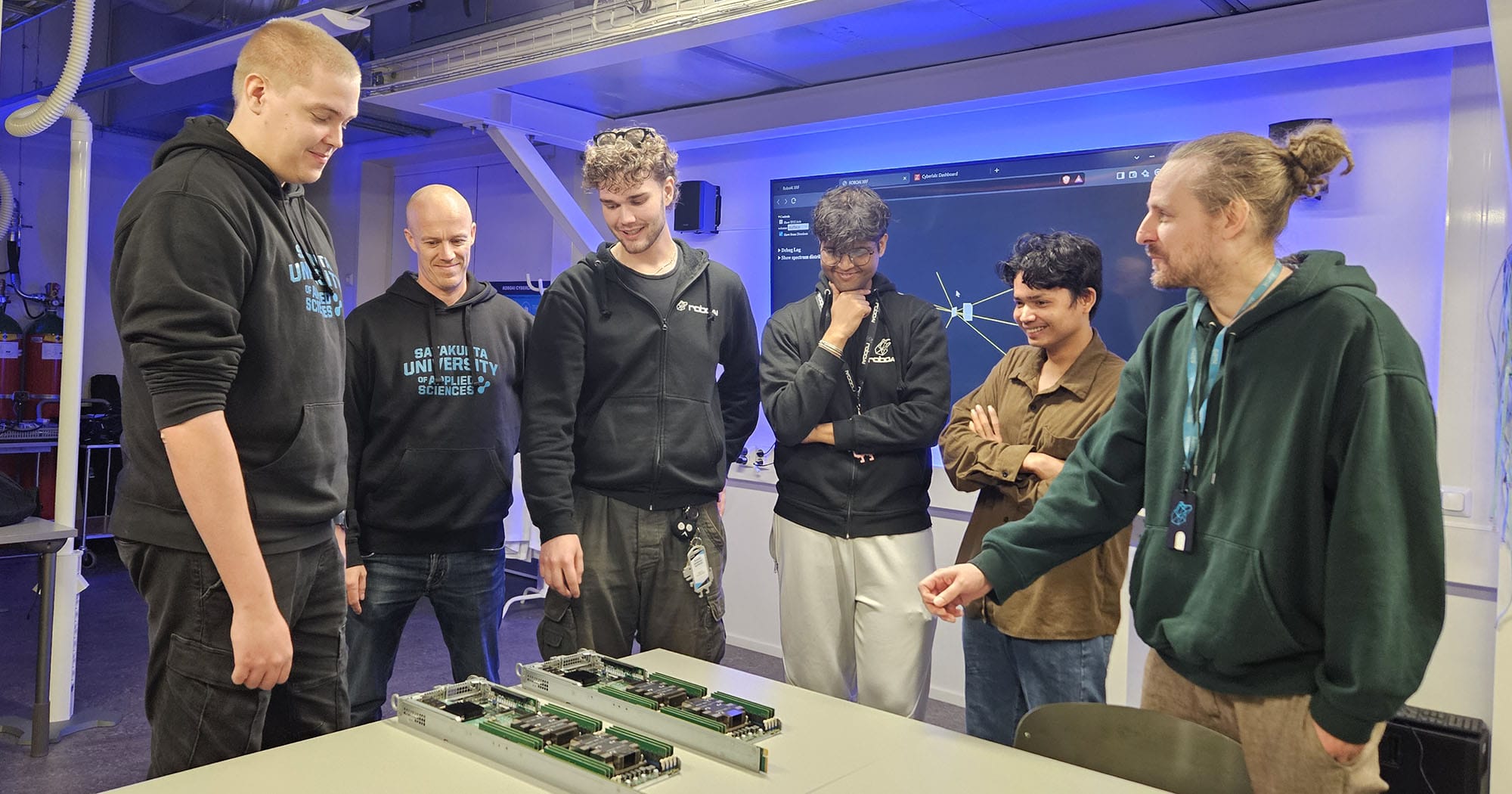
Students build a supercomputer at SAMK using decommissioned hardware
Engineering students at SAMK have built a functional computing environment using hardware from a decommissioned supercomputer. The system is already in use for research, and students have played a key role in both its construction and utilization.