The Introduction to Space Activities course will start early next year and is the first step in space technology cooperation. The course offers a low-threshold opportunity to learn about space science and space technology.
The course has a wide target group.
– It is suitable for anyone interested in space. Participants do not need to have in-depth knowledge of mathematics and physics. It is more of a seminar-style course that encourages reflection and discussion and introduces the topic, says Teemu Seppänen, project manager of the PoriSat project.
Space is linked to a surprising number of familiar areas of expertise
The Introduction to Space Activities course is the first step on a longer development path. According to Heikki Haaparanta, Dean of Faculty, several possible follow-up plans are under consideration within the framework of the PoriSat project.
These include deepening educational cooperation, planning joint educational paths and STEAM education* for schoolchildren. In addition, a joint application to NASA’s small satellite programme and various research, development and innovation projects are being considered.
– A lot is being planned at the moment, but naturally, many of them require secured funding before they can be implemented, Haaparanta underlines.
According to Haaparanta, space technology also offers significant opportunities at the regional level and from SAMK’s perspective.
– Globally, space is of great interest and is the focus of major economic investments. At the same time, space is surprisingly linked to many areas familiar to SAMK, such as human performance, telecommunications, responsibility, security, artificial intelligence and robotics, he explains.
From Earth observation to space phenomena
The Introduction to Space Activities course provides a comprehensive overview of the various areas of space activities. One focus is the role of satellites in Earth observation.
– The course covers how the Earth can be studied from space; how, for example, forests are changing, what is happening in waterways and what impact industry has on different areas, says Seppänen.
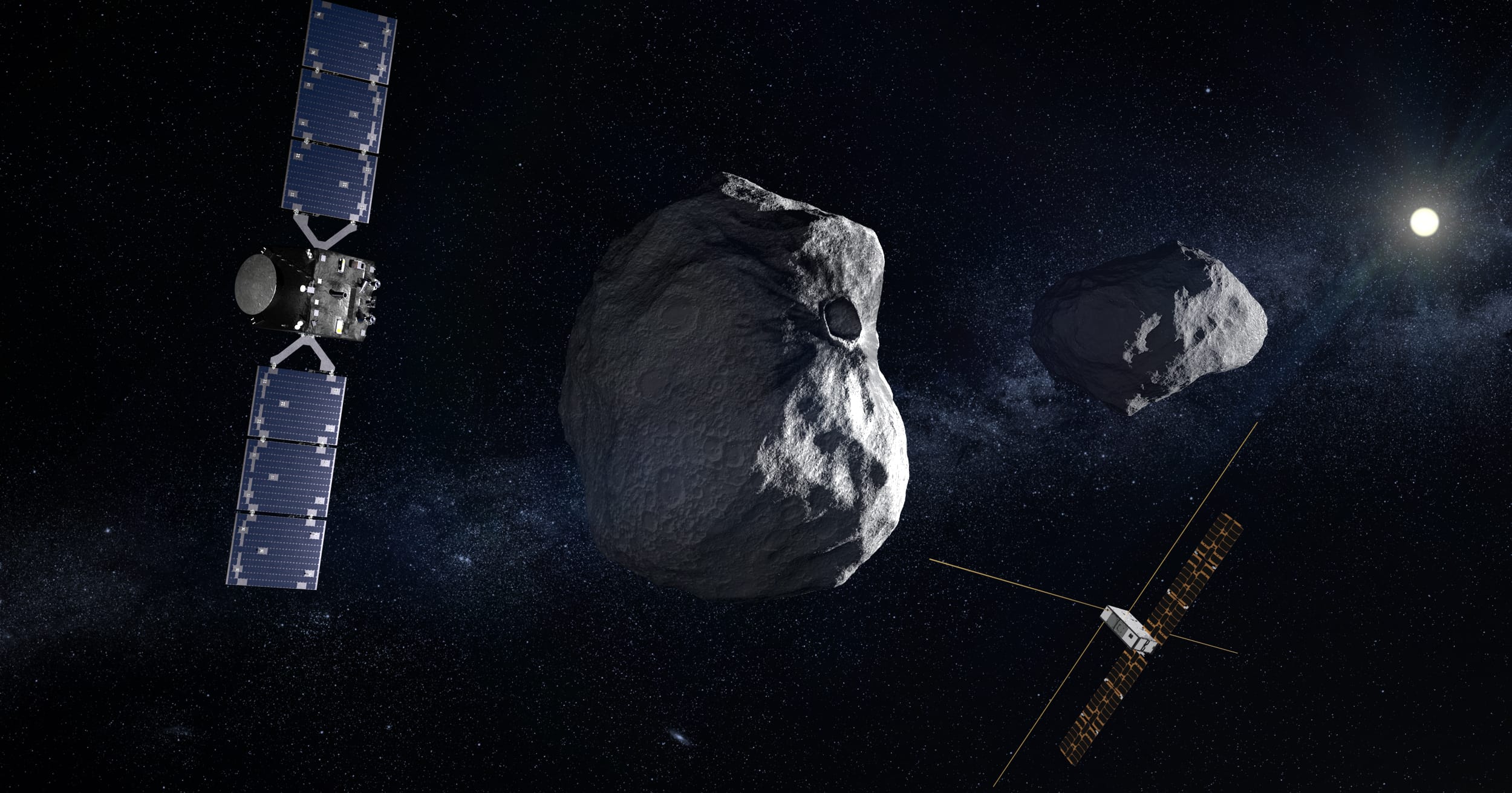
In addition, the course offers perspectives on satellite communications, satellite positioning and space exploration using satellites and telescopes. Students will learn about the applications of space activities, the basics of satellite projects, orbits, and the environmental, security and economic aspects of space.
Expert lectures, group work and discussion on space phenomena
The course is structured around expert lectures and student group work. Lecturers include leading experts in the field from across Finland: from the Universities of Turku and Tampere, and Aalto University.
– Professors and researchers will talk about various topics: where we are now, what will happen in the future and what can be developed around the topic, says Teemu Seppänen.
According to Seppänen, the best possible learning outcome of the course is that space-related topics become more approachable and part of everyday thinking.
– Hopefully, participants will gain a more open general understanding of space – that it is not a mystery or the exclusive domain of billionaires. Anyone can look up at the sky, for example, with a telescope, and study space for themselves, says Seppänen.
The Introduction to Space Activities course begins on 15 January 2026 and ends on 16 April 2026, and it is organized by the University of Turku in the form of a seminar series. Registration for the course ends on 7 January 2026.
* STEAM (Science, Technology, Engineering, Arts, Mathematics)