In 2025, SAMK strengthened its position with a record number of bachelor’s degrees, strong master’s results and growth in research. The year included a major organisational reform, the establishment of a new research faculty, advances in digitalisation and services, strategic cooperation through the PoriSat initiative, progress in sustainability work and positive development in international and European partnerships, laying a solid foundation for future growth.
SAMK renewed and strengthened – 2025 brought a record number of degrees and growth in research
In 2025, SAMK once again achieved a new record in the number of bachelor’s degrees awarded, while the number of master’s degrees was only slightly below the previous year’s peak. Measured by other indicators as well, 2025 was a successful year for SAMK.
In the spring, preparations were made for SAMK’s new organisational structure. The aim of the organisational reform is to enable the achievement of the objectives set for the new agreement period by the Ministry of Education and Culture by clarifying and streamlining the division of teaching responsibilities between the faculties. The four faculties were reorganised into three new ones. Each faculty is primarily responsible for one field of education specified in the Ministry of Education and Culture agreement and for achieving its increasing objectives.
Research was established as a new faculty led by the Vice President for Research. The aim is to strengthen the volume of SAMK’s research activities. The administrative structure was also modified by creating a new Higher Education Services unit, headed by Anne Holopainen, who was recruited to the position. The reform aims to reinforce the development of digitalisation, information management, quality management, learning environments and processes.
On 27 June 2025, during the International Space Day at SuomiAreena, a letter of intent for PoriSat cooperation was signed by the City of Pori, the University of Turku, and SAMK. PoriSat is a strategic cooperation project aimed at developing higher education in the Pori region and more broadly in Satakunta. The cooperation focuses on miniature satellites that students and researchers can build, test and operate themselves. Through these activities, new study paths can be created, the practical orientation of teaching strengthened, and student participation in research and international connections increased.
In August, Our SAMK promises were presented at the staff day. These promises are based on SAMK’s values and designed to support the implementation of Our SAMK strategy. By committing to common workplace and leadership promises, we believe that we will continue to develop, in line with our strategy, into an increasingly competent and well-being higher education community.
During the past year, SAMK produced its first sustainability report. Responsibility and sustainable development are central to SAMK’s activities and values. The first sustainable development action plan was drawn up in 2012. In recent years, our activities have become increasingly goal-oriented. With this report, we want to demonstrate our commitment to building a sustainable future together with our students, staff, partners and other stakeholders. Social, economic and ecological responsibility form the cornerstones of our activities, which are embedded in our daily work to promote education, research and regional development.
SAMK’s international activities have developed positively. The number of tuition-fee-paying students remained at the previous year’s level, and we continue to take measures to increase this number. The European University Alliance Diverse has been active, and the alliance partners are key collaborators for SAMK in Europe. Our strategic partnership with Seinäjoki University of Applied Sciences and Centria University of Applied Sciences has also intensified, and opportunities for cooperation have been developed extensively.
Government cuts to higher education will affect SAMK’s funding in 2026. I am confident that with careful financial management, SAMK will continue to implement its sound strategy and tasks. Thanks to improved results, it appears that 2027 will once again be a better year in terms of funding. By working together, we can help Satakunta to succeed.
Competence, wellbeing and success
Finland succeeds when the Satakunta region succeeds. Satakunta succeeds when SAMK succeeds. Finland depends on the industry of Satakunta and the West Coast. The role of people in a renewing industry is important.
Responsibility is one of SAMK’s three values. We operate in an economically, ecologically, socially, and culturally sustainable and responsible manner. We have been working long-term and purposefully to promote sustainable development for over a decade.
SAMK has almost 8,000 degree students and almost 5,400 open university students. Its international character is reflected in the 100 different nationalities represented on its campuses. It collaborates with 700 organisations and over 200 partner universities.
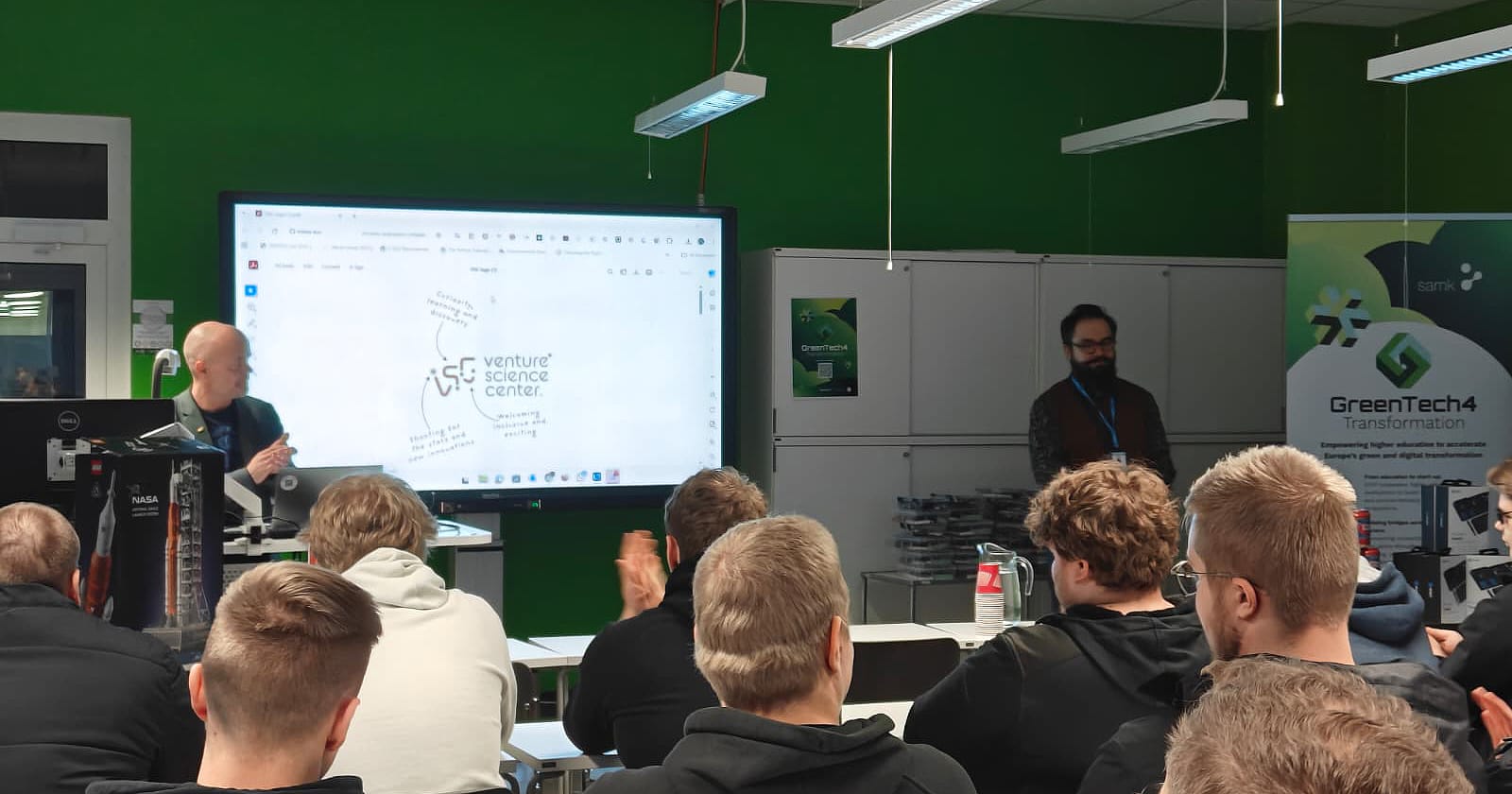
Satakunta University of Applied Sciences (SAMK) took an important step toward strengthening its innovation and collaboration ecosystem with the successful informal opening session of the Venture Science Center (VSC).
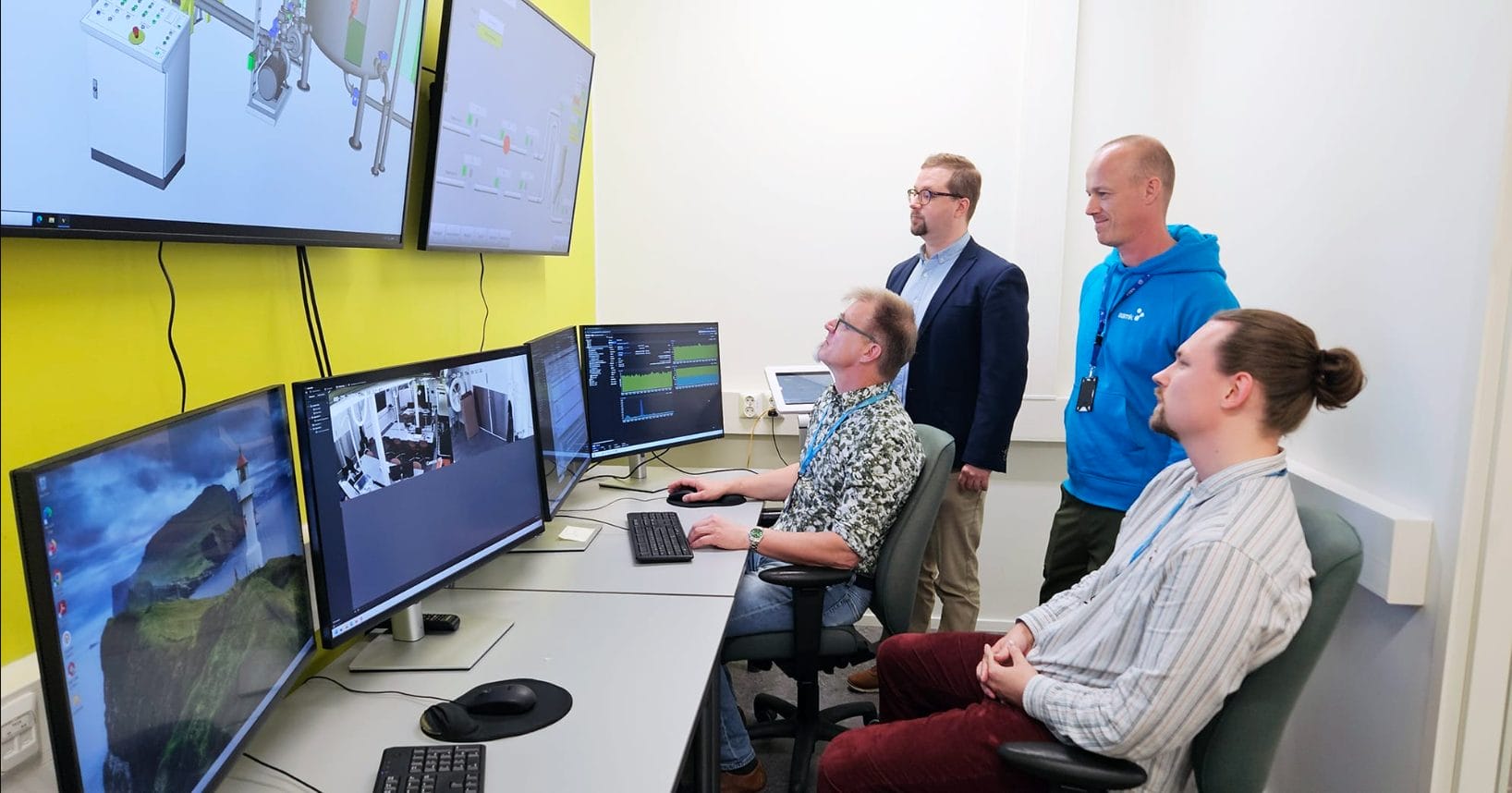
SAMK’s new RoboAI Cyberlab aims to strengthen the cybersecurity capabilities of local companies and future engineers specifically in industrial environments – where security measures have the greatest impact on production and national resilience.
SAMK has entered a new era of sustainability reporting – and is doing so with ambition. The first-ever Sustainability Report brings together the university community’s actions for sustainable development in 2024.